Key Points in This Blog
- Artex and textured coatings can contain asbestos.
- Testing should be completed before removal.
- Wetting the Artex helps control fibre release.
- Asbestos waste must be sealed and disposed of correctly.
- Professional removal helps reduce the risk of asbestos exposure.
Asbestos Artex: Removal guide
This our 10-step guide on how we remove asbestos textured coating (Artex) at your property.
Removing asbestos textured coating (Artex) requires expertise and strict safety measures. Improper handling can release dangerous asbestos fibers into the air, posing serious health risks. That’s why it’s essential to hire professionals like Complete Asbestos Surveys to manage the process safely and effectively. Below is our step-by-step guide to removing asbestos Artex.
The 10-Step Asbestos Artex Removal Process
Step 1: Asbestos Survey
Before removal, we review any existing asbestos information and arrange professional sampling where needed. Laboratory analysis confirms whether the sampled coating contains asbestos. If the proposed work will disturb concealed materials, a refurbishment survey covering the affected area may also be required
Step 2: Safety Gear
We wear appropriate protective gear, including:
- A half-face mask fitted with a P3 filter
- Disposable coveralls
- Gloves
All nearby surfaces that cannot be cleaned are sealed for added safety.
Step 3: Control Measures
We select controls appropriate to the assessed work to minimise fibre release and prevent contamination spreading beyond the work area. Access restrictions and protective arrangements are explained before work begins.
Step 4: The Removal Process
Our trained team follows a planned method suited to the coating, the surface beneath it and the extent of removal. Before starting, we establish the work classification and any notification or specialist-contractor requirements.
Step 5: Removing the Waste
We seal all removed Artex in asbestos waste disposal bags. Larger pieces of boarding are wrapped securely in polythene to ensure safe transport.
Step 6: Disposal
The sealed asbestos waste is transported to a licensed waste transfer station. As licensed waste carriers, we comply with all regulations for safe disposal.
Step 7: Decontamination
After removing the material, we dispose of used protective equipment safely. Tools and masks are cleaned thoroughly before leaving the work area.
Step 8: Cleanup
The work area is cleaned using methods appropriate for asbestos work, including a suitable Class H vacuum and damp cleaning where required. Household vacuum cleaners, including those fitted with HEPA filters, are not suitable substitutes.
Step 9: Inspection and Air Testing
We assess whether independent air testing is appropriate for the work and explain any testing requirements before starting. Air testing does not replace thorough cleaning and inspection.
Step 10: Handover
Before handing the area back, we complete the checks appropriate to the agreed work. We explain any remaining restrictions or asbestos-containing materials and provide the relevant completion and waste-disposal documentation.
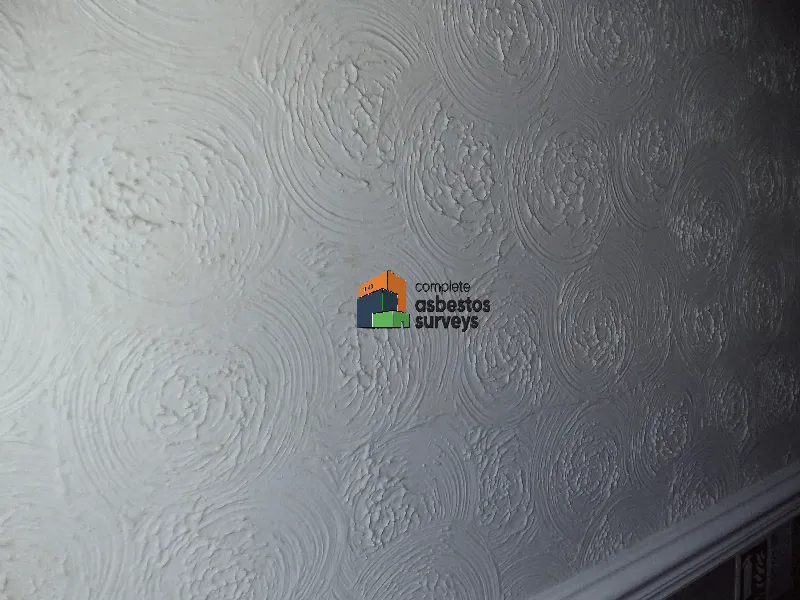
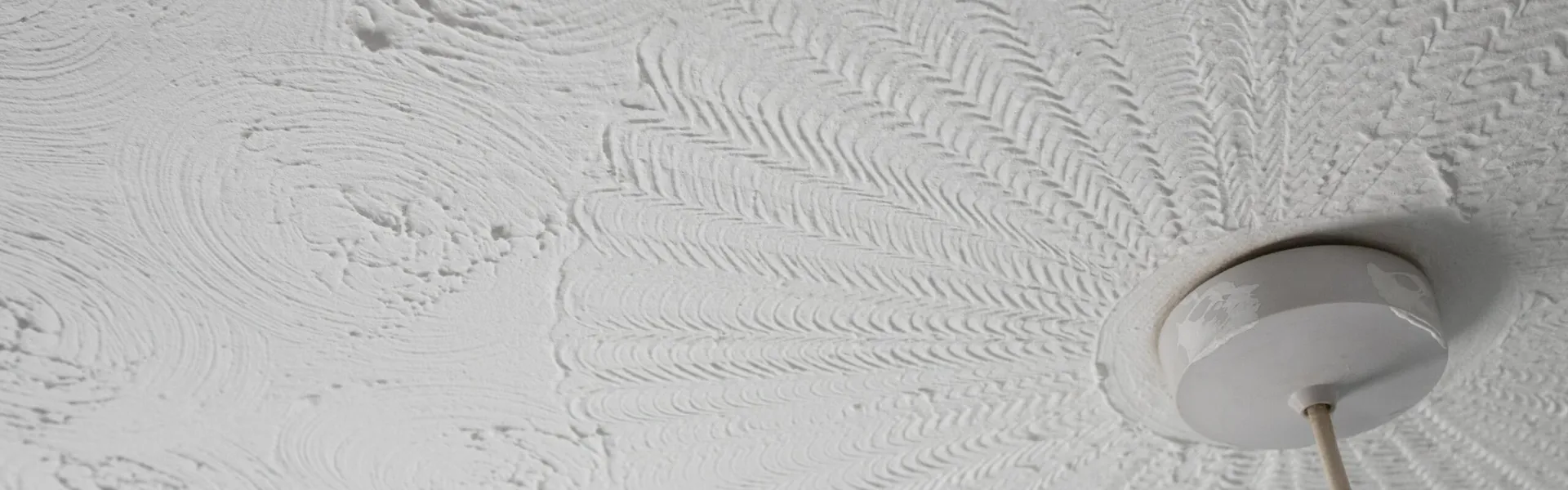
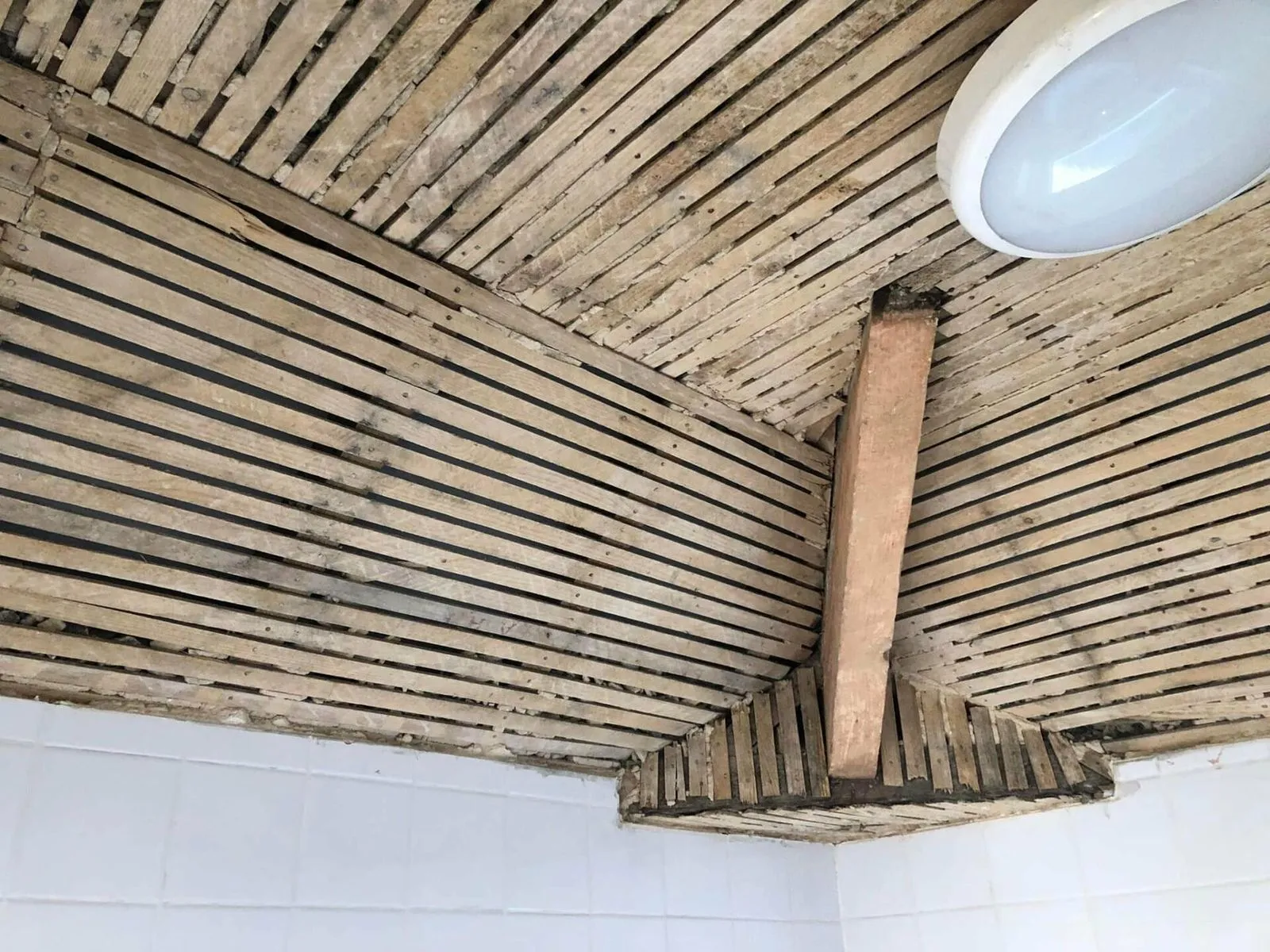 Ceiling after we had carried out Artex removal
Things to consider as a homeowner with asbestos textured coating
- Avoid scraping, sanding, drilling or attempting to remove suspected asbestos-containing textured coatings before they have been assessed.
- Asbestos does not always need removing. If the coating is in good condition and unlikely to be disturbed, leaving it in place and managing it may be appropriate.
- Tell us about any planned decorating, electrical work or refurbishment so we can assess the areas that may be affected. If removal is needed, we will explain the scope, access restrictions and arrangements before work starts.
Frequently Asked Questions
How do I know if my textured coating contains asbestos?
If you suspect your Artex contains asbestos, schedule an asbestos survey with Complete Asbestos Surveys. We can collect and analyse samples to confirm whether asbestos is present.
What safety precautions should I take if I suspect asbestos in my property?
If you suspect asbestos in your property, it's essential to take immediate precautions to minimize exposure. Firstly, avoid disturbing the suspected material and isolate the area if possible. Secondly, seek professional assistance from an expert company like Complete Asbestos Surveys to conduct a thorough assessment and plan for safe removal if necessary.
How can I ensure safe and effective asbestos removal?
Hire a qualified and licensed company with experience in asbestos removal. Verify their credentials, safety procedures, and commitment to following strict guidelines. At Complete Asbestos Surveys, we manage every step of the process, ensuring your safety.