Key Points in This Blog
- Asbestos floor tiles should be tested before removal.
- Correct PPE and controls reduce asbestos exposure.
- Removal methods and controls are selected to minimise fibre release.
- Asbestos tiles must be packaged and disposed of correctly.
- Professional removal helps keep your property safe and compliant.
Asbestos Floor tiles: Removal Guide
This our 10-step guide on how we remove asbestos floor tiles at your property.
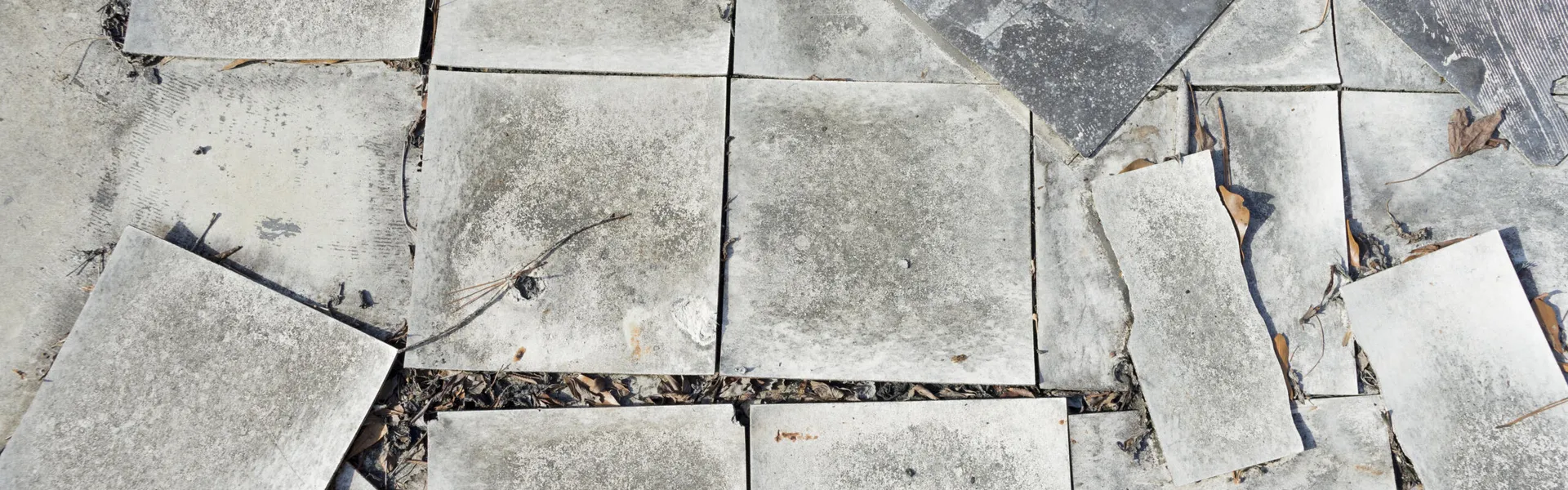
This guide explains what customers can expect when arranging professional asbestos floor-tile removal. The methods and precautions depend on the flooring, its condition and the planned work. It is not a DIY removal guide.
Why Hire a Professional?
Attempting to remove asbestos without proper expertise can be dangerous. Hiring an expert like Complete Asbestos Surveys ensures the process is handled safely, effectively, and in compliance with Health and Safety Executive (HSE) regulations. Let us take care of it for you.
10-Step Asbestos Floor Tile Removal Process
Step 1: Asbestos Testing
-
We review any existing survey or laboratory results and arrange professional sampling where needed. Floor tiles and the adhesive beneath them can both contain asbestos and may require separate samples. A negative tile result does not establish whether the adhesive contains asbestos.
Step 2: Regulatory Compliance
- We follow strict HSE regulations to ensure all work is carried out safely and professionally.
Step 3: Professional Consultation
- Our team consults with you to assess the condition of the tiles and determine the best removal method while adhering to safety standards.
Step 4: Work Classification and Notification
-
Before starting, we assess the materials, their condition and the proposed removal method to establish the work classification. Where notification is required, it must be submitted to the appropriate enforcing authority. Notification is not the same as obtaining approval. Any work requiring an HSE-licensed contractor must be carried out by one.
Step 5: Protective Measures
- Our team uses appropriate personal protective equipment (PPE) such as half-face masks with P3 filters, disposable coveralls, and gloves. Surfaces that cannot be cleaned are sealed for protection.
Step 6: Containment and Isolation
- The work area is sealed off with polythene sheeting to isolate the space. Where necessary, we use HEPA-filtered exhaust fans to maintain negative air pressure and prevent dust escape.
Step 7: Wetting the Material
- Before removal, we dampen the tiles to minimize the risk of asbestos fibres becoming airborne.
Step 8: Safe Removal Techniques
- Depending on the condition of the tiles, we employ methods such as wet removal or work within a controlled enclosure for added safety.
Step 9: Waste Disposal
-
Asbestos waste is appropriately packaged, sealed and labelled before collection by a registered waste carrier and delivery to a facility authorised to accept it. Waste-carrier registration is separate from an HSE asbestos-removal licence. We provide the relevant waste documentation for the work carried out.
Step 10: Cleaning, Inspection and Handover
-
After removal, the work area is thoroughly cleaned and inspected. We explain any air testing or clearance requirements appropriate to the work before it begins. Air testing does not replace cleaning and inspection or prove that no asbestos remains anywhere in the property.
After Removal: What Has Been Removed?
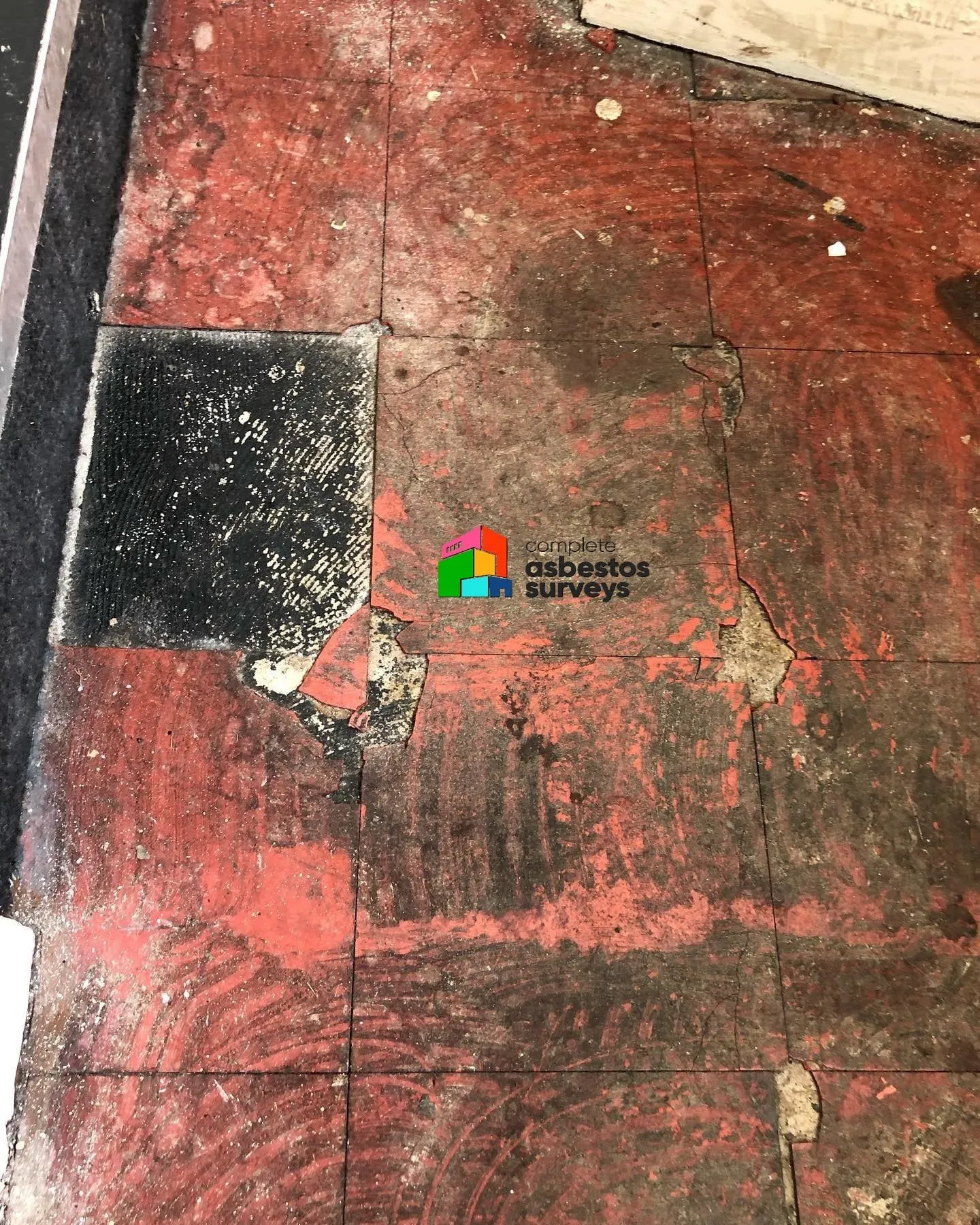
Your agreed scope should state whether the work includes the floor tiles, adhesive and any backing materials. Removing tiles does not necessarily remove asbestos-containing adhesive beneath them.
At handover, we explain what was removed, what remains and any further precautions or management needed. An asbestos survey identifies materials within its agreed scope; it is not a substitute for post-removal inspection or any required clearance procedure, and cannot guarantee that every trace of asbestos has been eliminated.
Protect Your Health and Home
Removing asbestos floor tiles is a specialized process that demands expertise and adherence to safety regulations. Complete Asbestos Surveys ensures every step is handled with precision and care. Contact us today for a consultation and let us safeguard your property and health.
Frequently Asked Questions
Why should I hire a professional instead of doing it myself?
Attempting removal without expertise can expose you to dangerous asbestos fibres. Professionals have the training, equipment, and experience to safely handle the process, protecting you and your family from harm.
What health risks are associated with asbestos exposure?
Asbestos exposure can lead to severe health issues like asbestosis, lung cancer, and mesothelioma. Professionals follow strict safety protocols, including wet removal techniques and protective measures, to reduce these risks.
What safety standards do professionals follow?
Contractors must assess the work and follow the applicable asbestos regulations, using appropriately trained workers and suitable controls. This includes establishing any licensing or notification requirements, protecting the work area, managing waste correctly and completing the appropriate cleaning and handover checks. The arrangements depend on the materials and removal method.