Key Points in This Blog
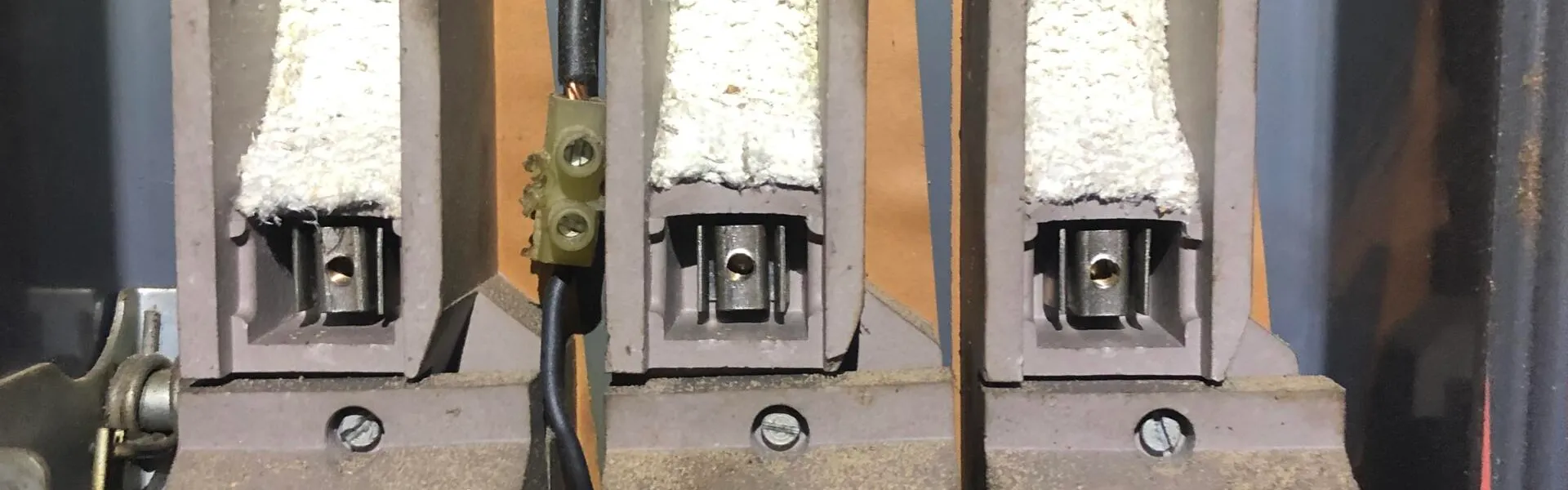
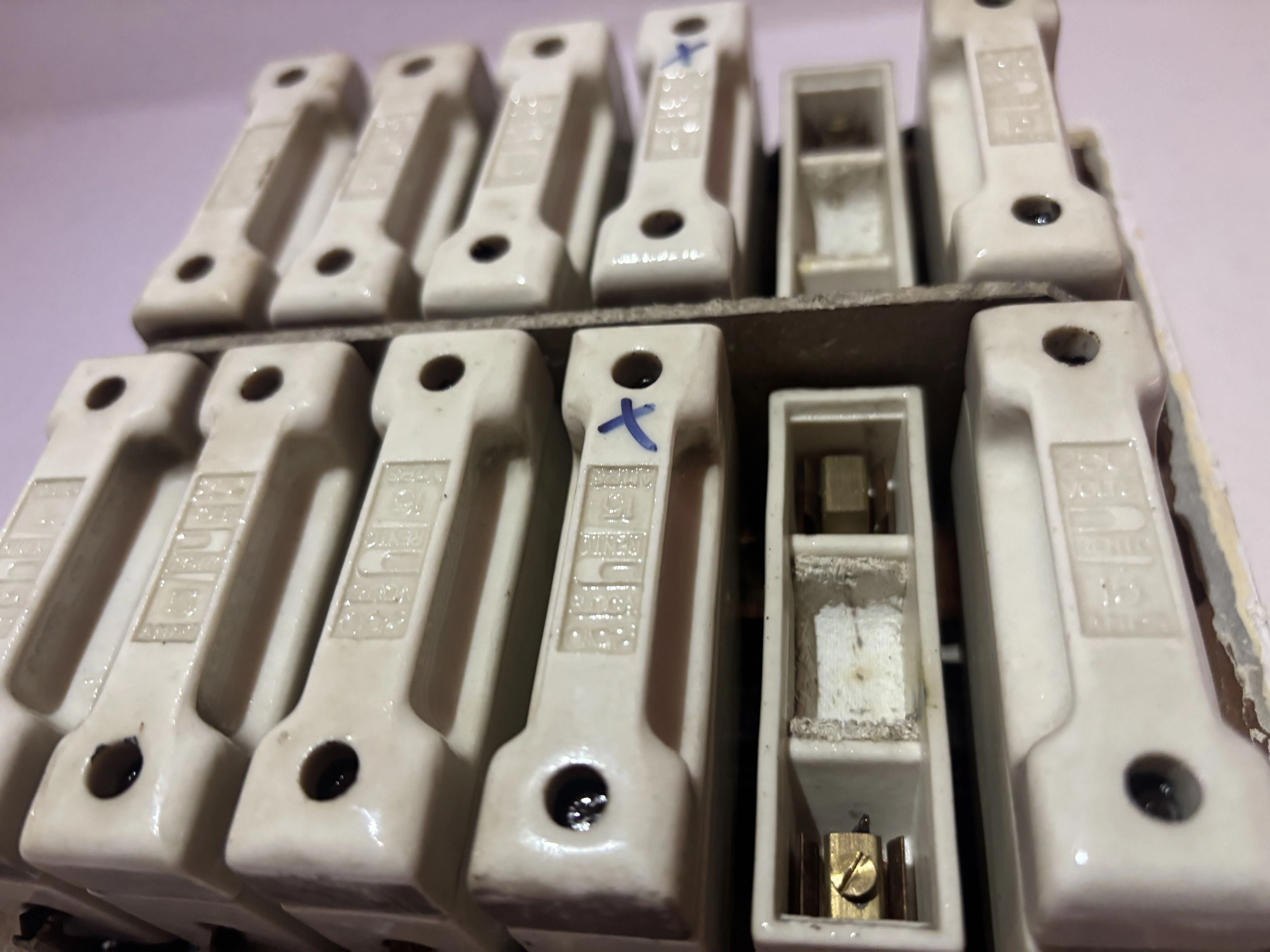
- Older electrical fuse guards can contain asbestos.
- Professional assessment establishes whether sampling or further investigation is needed.
- A competent electrician must manage safe isolation before work begins.
- Fuse guards must be removed and disposed of safely.
- Professional removal reduces the risk of asbestos exposure.
Asbestos Fuse Guards: Removal Guide
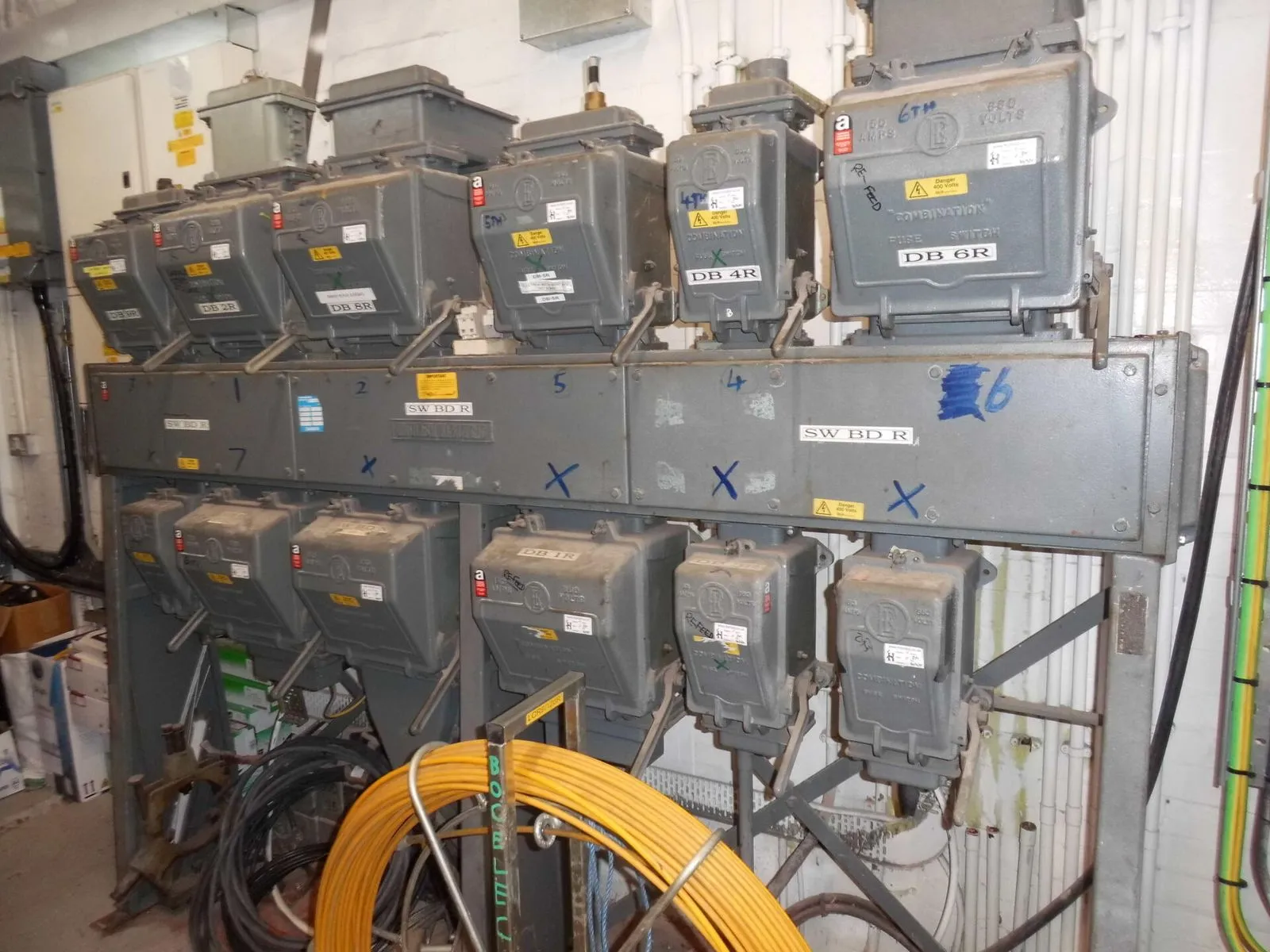
Older electrical equipment may contain asbestos fuse guards or other asbestos-containing components. Assessment and removal must account for both asbestos and electrical hazards. This overview explains what customers should expect from professional work; it is not a DIY removal guide.
Step 1: Review Existing Asbestos Information
We review any existing asbestos survey or laboratory results, together with details of the electrical equipment and proposed work.
Step 2: Assess the Materials
We assess the suspected asbestos materials and their condition. Where sampling is needed, safe access and appropriate electrical precautions must be established first. Associated materials, such as backing boards, must also be considered.
Step 3: Agree the Scope of Work
We establish which components require attention and whether replacing a complete assembly or fuse box would be more appropriate than removing individual fuse guards. The assessment determines any licensing or notification requirements.
Step 4: Coordinate Electrical Safety
A competent electrician manages safe isolation and confirms the equipment is safe to work on before asbestos work begins. Switching off a main switch alone must not be assumed to make every component safe.
Step 5: Prepare and Protect the Work Area
The work area is prepared to limit the spread of contamination and prevent unauthorised access. We explain any access restrictions and planned interruption to the electricity supply.
Step 6: Put Suitable Controls in Place
Appropriately trained workers use protective equipment and control measures selected for the assessed work. These must address both asbestos and electrical hazards. Customers should not open equipment, disturb components or apply water or cleaning products themselves.
Step 7: Carry Out the Agreed Removal
The asbestos work is completed using a planned method suited to the equipment, material and condition. Electrical disconnection or replacement work is coordinated with the competent electrician.
Step 8: Package and Arrange Disposal
Removed asbestos materials and contaminated waste are appropriately packaged and labelled. Collection is arranged through a registered waste carrier for delivery to a facility authorised to accept asbestos waste.
Step 9: Clean and Inspect
The affected work area and equipment are cleaned using suitable specialist methods and inspected before handover. Any additional inspection or testing requirements are determined by the scope and assessment.
Step 10: Complete Electrical Checks and Handover
A competent electrician carries out any necessary reconnection and electrical checks. We explain what asbestos work was completed, identify any materials remaining within the agreed scope and provide the relevant completion and waste documentation.
Advice for Property Owners
If you suspect asbestos in a fuse box or electrical board, leave the components undisturbed and seek professional advice. Do not dismantle equipment or take samples yourself.
Contact Complete Asbestos Surveys with any existing survey findings and details of the planned electrical work. We can advise on the asbestos assessment and explain what arrangements are needed with a competent electrician before work proceeds.
Frequently Asked Questions
How can I tell if the fuse guards in my electrical board contain asbestos?
Appearance alone cannot confirm asbestos content. A competent asbestos professional can review existing records and assess whether sampling is needed. Any inspection or sampling inside electrical equipment must first have appropriate electrical safety arrangements in place.
Can I Remove Asbestos Fuse Guards Myself?
Do not attempt to remove them yourself. The work involves both asbestos and electrical hazards and requires appropriate competence, equipment and planning. A competent electrician must manage the electrical isolation and any reconnection, alongside workers trained for the asbestos work.
What Happens to the Removed Fuse Guards?
The contractor should arrange suitable packaging, collection by a registered waste carrier and delivery to a facility authorised to accept asbestos waste. Ask for the relevant waste documentation. Asbestos waste must not be placed in household or general commercial bins.