Key Points in This Blog
- You cannot identify asbestos by sight alone.
- Asbestos can be hidden in many building materials.
- Pre-2000 buildings are more likely to contain asbestos.
- Suspect materials should be professionally tested.
- An asbestos survey can identify and assess potential risks.
How to Identify Asbestos
Identifying asbestos in a building is not always easy. Many materials look harmless but may still contain asbestos fibres.
If you own or manage a property built before 2000, there’s a chance asbestos could be present. Here's how you can start to identify it — and what to do next.
Visual Clues for Asbestos
Many older buildings used asbestos-containing materials (ACMs) in construction. You might find it in:
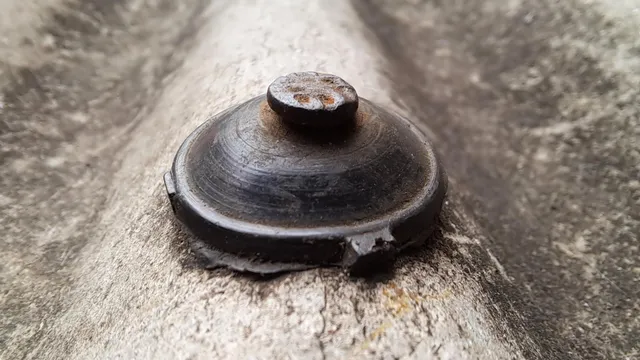
- Corrugated cement roof sheets
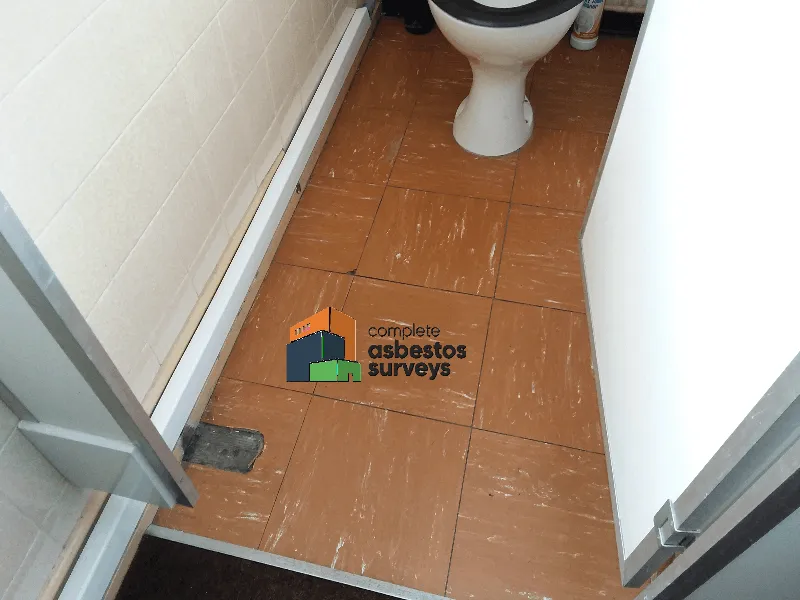
- Floor tiles and tile adhesive
- Pipe insulation
- Artex textured coatings
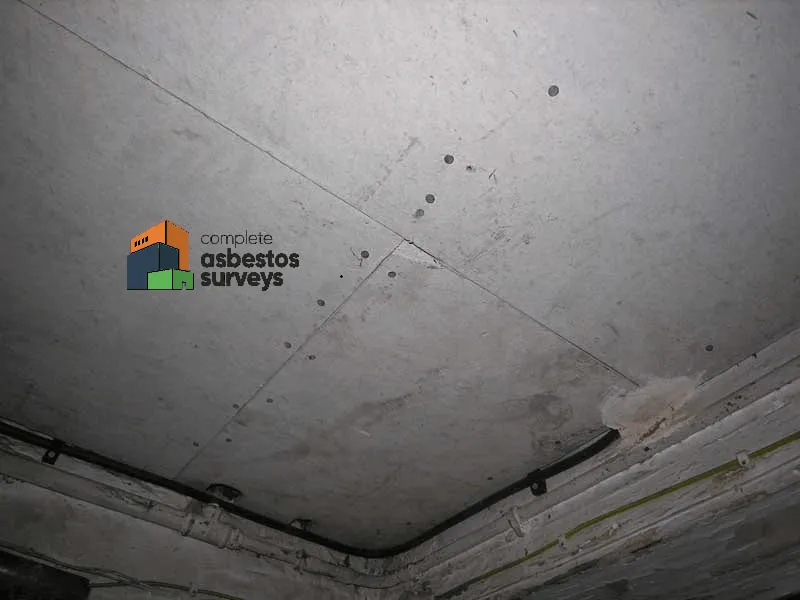
- Partition boards and ceiling panels
The asbestos can be white, brown, or blue in appearance, but colour alone won’t confirm anything.
Explore our asbestos gallery to see real-world examples. You’ll be surprised by the variety!
Where Asbestos Is Usually Found
Domestic Properties Built Before 2000
We provide homebuyer asbestos surveys and testing for domestic properties. Materials that may contain asbestos include:
-
Textured wall and ceiling coatings
-
Older floor tiles and bitumen adhesive
-
Cement garage roofs and flue pipes
-
Pipe insulation
-
Insulating boards used in ceilings, partitions and other locations
These materials do not always contain asbestos. Their appearance alone cannot confirm whether asbestos is present.
Commercial, Industrial and Agricultural Properties
Asbestos may also be present in older workplaces, industrial buildings and agricultural premises. Potential locations include roofing, wall cladding, insulation, ceiling panels and floor coverings.
The appropriate check depends on what you need to know. Asbestos sample testing can confirm whether a particular sampled material contains asbestos. An asbestos survey provides a wider assessment of materials within the agreed survey area, recording their location, condition and recommendations.
Testing one material does not establish whether asbestos is present elsewhere in the property.
Testing for Asbestos
You cannot confirm whether a material contains asbestos by looking at it. Laboratory analysis of a representative sample is needed for confirmation.
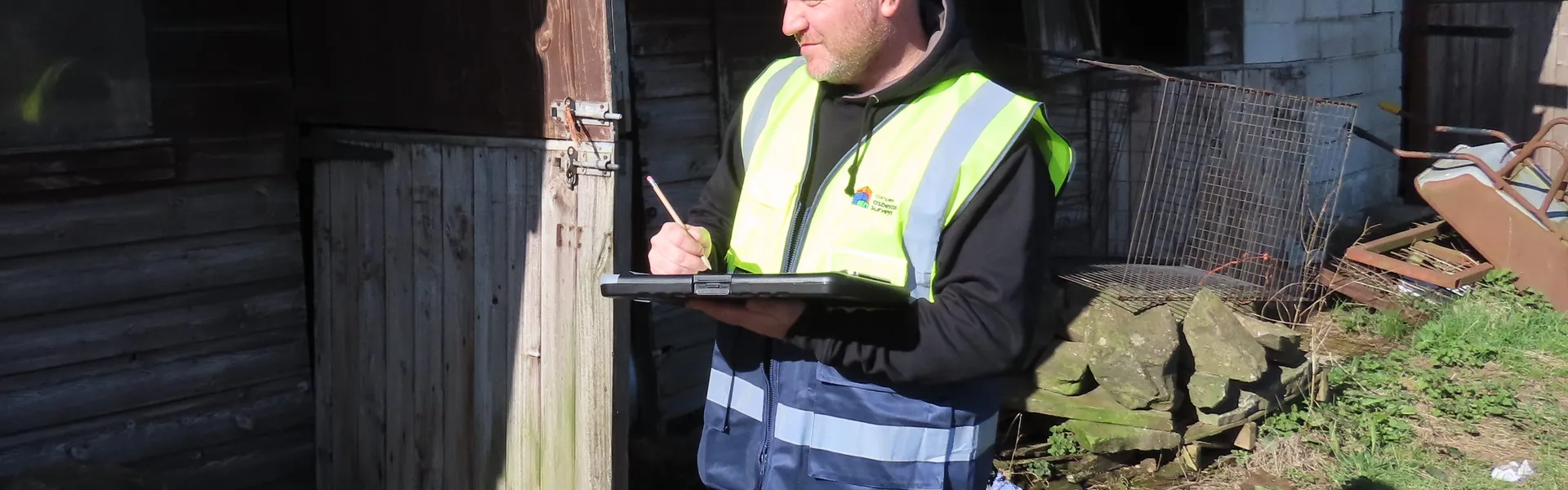
Avoid disturbing suspect materials or collecting samples yourself. Our professional asbestos sampling and testing service includes controlled sample collection and analysis by a UKAS-accredited laboratory.
The process is straightforward:
-
Tell us which materials concern you and whether you have any building work planned.
-
We advise whether targeted sampling or a wider asbestos survey is appropriate.
-
A trained surveyor collects representative samples for laboratory analysis.
-
We explain the results and advise on any further assessment or action needed.
We provide testing for homeowners and businesses. If you are purchasing a property, our homebuyer asbestos survey service can help you understand the findings before making decisions.
What Happens After Asbestos Is Identified?
If the Asbestos Is Intact
In most cases, the safest course is to leave the ACM in place. If it’s in good condition and unlikely to be disturbed, removal may not be necessary.
This is where a formal asbestos management plan comes in. It includes:
- Monitoring
- Risk assessments
- Scheduled re-inspections
- Clear documentation
We help building managers keep their staff and visitors safe through practical, real-world asbestos management.
If the Material Is Damaged
When an ACM is cracked, crumbling, or exposed to frequent contact, it can release airborne fibres.
At this stage, asbestos removal may be required.
Asbestos removal we can handle:
- Asbestos cement
- Textured coating (Artex)
- Encapsulation
The best method depends on location, condition, and access.
Speak to us about your options before taking action.
When Should You Book an Asbestos Survey?
The right asbestos assessment depends on your property and what you plan to do.
-
Buying an older property: A homebuyer asbestos survey can help you understand suspected asbestos, its condition and any recommended action before completing your purchase.
-
Managing a building: A management survey helps identify asbestos-containing materials that could be disturbed during normal occupation and routine maintenance.
-
Planning refurbishment or demolition: A refurbishment or demolition survey investigates the areas affected by the proposed work, including materials hidden within the building fabric. An existing management survey may not cover these areas.
-
Checking a particular material: Professional sampling and laboratory testing may be appropriate if you need to establish whether a specific suspect material contains asbestos.
-
Monitoring known asbestos: Reinspection checks its condition and helps keep your asbestos register and management plan up to date.
Before arranging a new survey, check any existing asbestos information against the work you are planning. A lease renewal or change of occupancy is a useful opportunity to review those records, but does not automatically mean a new survey is required.
Unsure which service you need? Contact our team with details of your property and proposed work. We’ll help you identify the appropriate scope before you book.
Your Legal Duty as a Property Owner or Manager
Under Regulation 4 of the Control of Asbestos Regulations 2012, the duty to manage asbestos applies to non-domestic premises and the common parts of certain domestic buildings, such as shared corridors and staircases in blocks of flats.
Responsibility depends on who is responsible for maintenance and repairs under the tenancy agreement or contract. This may be the owner, landlord or tenant, and duties can be shared. Where no agreement specifies responsibility, the person or organisation controlling the premises may hold the duty.
Managing asbestos involves:
-
Establishing whether asbestos is present or likely to be present
-
Recording its location and condition
-
Assessing the risk of disturbance
-
Preparing, implementing and reviewing a management plan
-
Providing relevant information to anyone who could disturb it
The duty to manage does not apply inside individual private homes, but asbestos risks still need to be addressed before contractors carry out work that could disturb suspect materials.
Our asbestos management services help dutyholders understand the findings and put practical management arrangements in place.
Frequently Asked Questions
What does asbestos look like?
It depends on the material. It might be grey, white, or brown. It’s often mixed into cement, adhesive or insulation. You won’t always notice it unless you test it.
Can I take a sample myself?
No. You risk disturbing the material and releasing dangerous fibres. Always use a qualified asbestos surveyor.
Is asbestos still used in UK buildings?
No. The UK banned all forms of asbestos in 1999. But older buildings may still contain it.
How long does asbestos testing take?
Laboratory results are typically available within 24–48 hours, as outlined on our asbestos testing page. We will confirm the expected turnaround when arranging your sampling appointment.
Do you offer asbestos surveys in Yorkshire?
Yes. We cover Yorkshire and further afield. Contact us to book a site visit.