Encapsulated Asbestos
What is Encapsulated Asbestos?
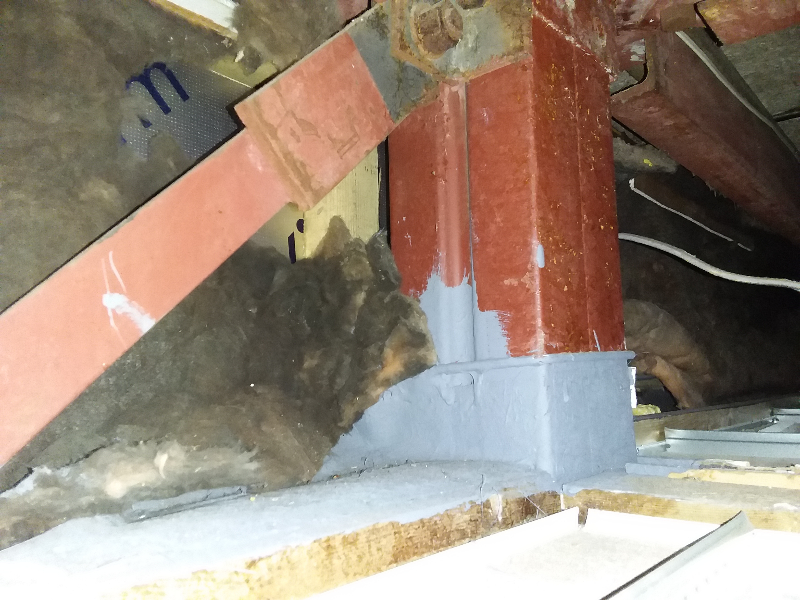
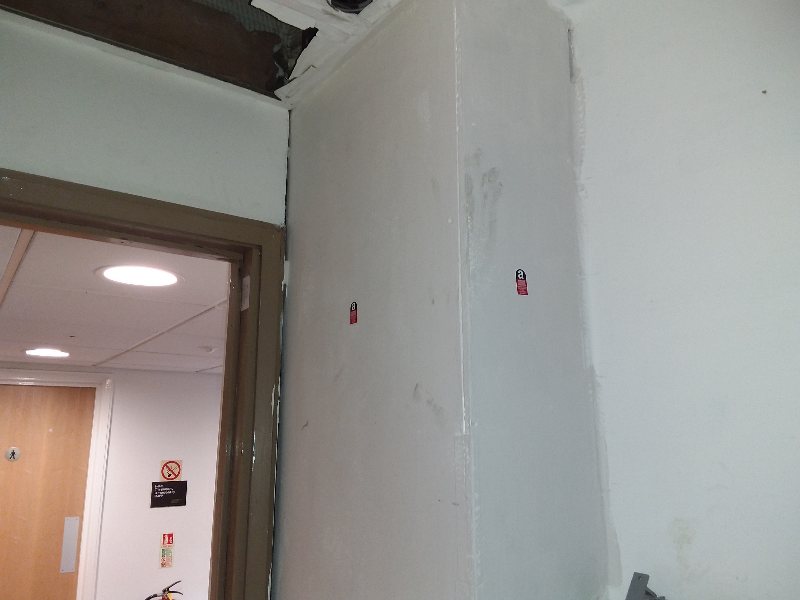
Encapsulated asbestos refers to asbestos-containing materials (ACMs) that have been sealed or enclosed with a protective coating or physical barrier. This method is used to prevent fibre release when the ACM is in good condition but difficult or unsafe to remove.
Examples of encapsulated asbestos include:
- Asbestos insulating board (AIB) covered with paint or sealant
- Pipe lagging wrapped and labelled
- Asbestos cement panels sealed in warehouses or pump rooms
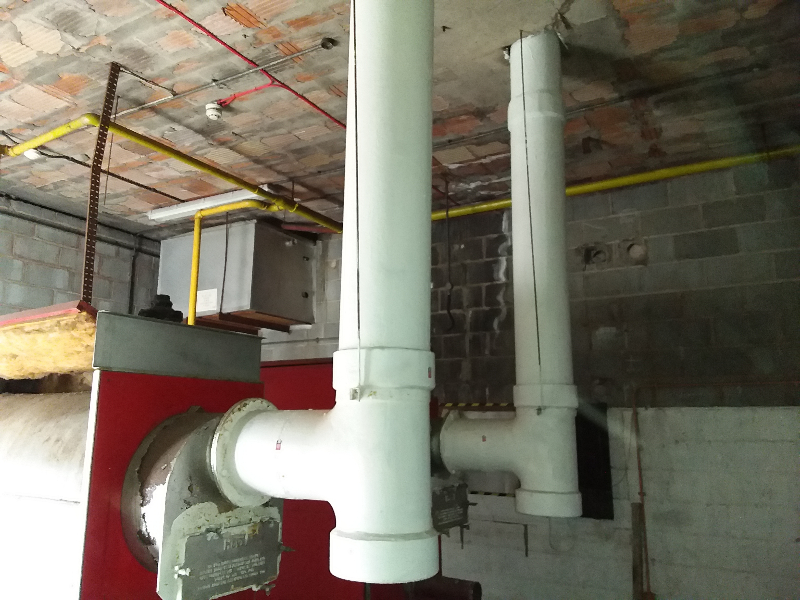
- Rope seals coated in boiler rooms
- Fuse boards labelled and enclosed
Encapsulation is a legally recognised control method under the Control of Asbestos Regulations 2012, but it requires ongoing monitoring.
Encapsulated Asbestos Identification
Encapsulated asbestos may not look obviously dangerous. It might appear as painted panels, boarded ceilings, or sealed ducts. If unsure, book a professional asbestos survey to assess it properly.
Get in touch now for professional asbestos surveys!
Encapsulated Asbestos Removal
In many cases, encapsulated asbestos does not need to be removed unless it’s deteriorating or likely to be disturbed. Our team will advise whether removal or continued management and re-encapsulation is safest. See our asbestos removal services for more info.
Encapsulated Asbestos Health Risks
Encapsulation reduces the immediate risk, but the material underneath still contains asbestos. If damaged, fibres can still be released — posing long-term risks of:
- Lung cancer
- Mesothelioma
- Asbestosis

Encapsulated Asbestos Applications
This method is used in a range of property types:
- Schools and hospitals with asbestos in columns or ducting
- Boiler rooms where lagging or rope seals are hard to access
- Industrial units with cement panels or sprayed coatings
- Swimming pool pump rooms, where asbestos is sealed and labelled
Find out how we manage these with asbestos management surveys.
Encapsulated Asbestos Testing
To confirm the condition of encapsulated asbestos, air monitoring or bulk sampling may be needed. We offer asbestos testing and sampling if encapsulation has degraded or been damaged.
Encapsulated Asbestos Disposal
If encapsulated materials become damaged and require removal, they must be treated as hazardous waste and:
- Carefully dismantled under control
- Bagged, sealed and labelled
- Disposed of at licensed waste sites
More information is available on our asbestos disposal page.
Encapsulated Asbestos Regulations
The Control of Asbestos Regulations 2012 state that encapsulated asbestos must still be monitored and managed. Building owners must keep records, update risk assessments, and ensure labels are in place. Visit our asbestos regulations blog for legal details.
Encapsulated Asbestos Maintenance
Even encapsulated asbestos needs regular condition checks to ensure the sealant remains effective. We offer periodic asbestos re-inspections to monitor encapsulated materials and keep you compliant.
Encapsulated Asbestos Cost
Encapsulation is often more cost-effective than full removal. Cost depends on:
- Type and quantity of ACM
- Access and condition
- Ongoing inspection needs
Examples of Encapsulated Asbestos
Browse the gallery below to see real-life examples of encapsulated asbestos found in boiler rooms, fuse boards, schools, and industrial settings. If you suspect encapsulated asbestos in your property, contact us via our contact page.