Key Points in This Blog
- Asbestos soffits can be cement or AIB.
- Testing confirms whether asbestos is present.
- Asbestos type affects how removal is carried out.
- Safe removal requires correct PPE and waste disposal.
- Asbestos soffits can sometimes be encapsulated instead.
Asbestos Soffits: Your Removal guide
This guide explains what customers can expect from professional asbestos soffit assessment and removal. It is not a DIY removal guide.
Could Your Soffits Contain Asbestos?
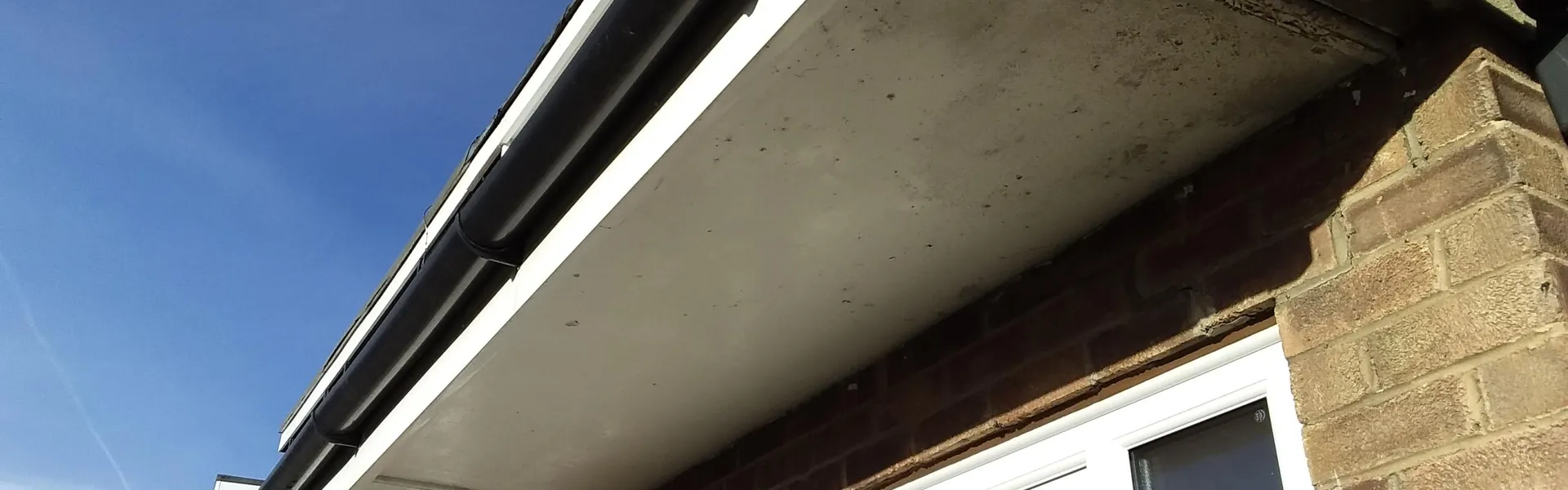
Soffits on buildings constructed before 2000 may contain asbestos. Paint, colour, surface markings or appearance cannot reliably confirm whether asbestos is present.
Asbestos soffits may be made from asbestos cement or asbestos insulating board (AIB). These materials require different assessments and controls, so establishing the material is important before planning work.
Do not scrape, drill or break a panel to investigate it, or climb onto the roof to inspect it. Arrange professional assessment instead.
Step 1: Assessment and Testing
A competent asbestos professional should review any existing survey information and assess whether sampling is needed. Laboratory analysis can confirm asbestos in the sampled material, while further assessment may be necessary to establish the product type.
The material, condition and proposed work determine the removal requirements. Asbestos cement removal can often be non-licensed work; most work involving AIB requires an HSE-licensed contractor, although limited exceptions exist.
Step 2: Plan the Work and Protective Equipment
The contractor prepares a suitable work plan and selects protective equipment and controls for the assessed materials. Any licensing or notification requirements must be established before work begins.
Step 3: Arrange Safe Access
Soffit work involves working at height. The contractor must assess suitable access equipment, fall protection and the condition of surrounding roof materials. The area below should be controlled to protect occupants and passers-by.
Step 4: Select Fibre-Control Measures
Methods to minimise fibre release are chosen for the particular material and work. Wetting alone does not make asbestos removal safe or replace other necessary controls.
Step 5: Protect the Surrounding Area
The contractor establishes the protection and containment required by the assessment. This may include protecting nearby surfaces and restricting access to affected areas.
Step 6: Carry Out the Agreed Removal
Trained workers remove the agreed materials using methods appropriate to their type, condition and fixings. Access from above or below must be planned for the individual building; removing roof tiles or fascias is not automatically the safest approach.
Step 7: Package the Waste
Removed materials are appropriately double-bagged or double-wrapped and labelled. Larger panels should not be broken into smaller pieces simply to fit them into bags.
Step 8: Clean the Work Area
The affected area and equipment are cleaned using suitable asbestos-cleaning methods. Contaminated cleaning materials and disposable protective equipment are handled as asbestos waste.
Step 9: Arrange Authorised Disposal
A registered waste carrier transports the packaged waste to a facility authorised to accept it. Waste-carrier registration is separate from an HSE asbestos-removal licence. Ask for the relevant waste documentation.
Step 10: Inspection and Handover
The contractor completes the inspection and any clearance procedures required for the work before handing the area back. The completion information should explain what was removed, any asbestos remaining and any restrictions relevant to replacement work.
Advice:
Consider hiring an asbestos removal contractor for the removal. They have the expertise and equipment to safely handle asbestos removal.
Remember, asbestos removal can be extremely hazardous, and improper handling can pose serious health risks. If you are unsure or uncomfortable with any aspect of the removal process, seek professional assistance. Safety should always be the top priority when dealing with asbestos.
Can Asbestos Soffits Be Encapsulated Instead of Removed?
In some circumstances, soffits in suitable condition can remain in place and be managed or professionally encapsulated. The decision depends on the material, its condition, access and whether future work is likely to disturb it.
Encapsulation does not remove the asbestos. Its location must remain recorded where applicable, and its condition should be monitored.
Do not sand, scrape or prepare suspected asbestos soffits for painting yourself. Have the material assessed and the appropriate approach agreed before work begins.
Alternatives to Asbestos Soffits
Asbestos Soffit Replacement
If you’re considering replacing asbestos soffits, there are several safer, modern alternatives available. A popular choice is uPVC soffits and fascias—these are lightweight, durable, and require very little maintenance.
Before work that could disturb suspected asbestos, check that the affected materials have been appropriately assessed.
Other common alternatives include timber (which can be treated for extra longevity), fibre-cement boards, or aluminium soffits. Each of these options offers improved safety and performance, with the added benefit of a more contemporary appearance. When making your selection, consider factors such as lifespan, cost, resistance to weather, and ease of installation.
Choosing one of these non-asbestos materials not only ensures compliance with safety regulations but also provides peace of mind for the long term.
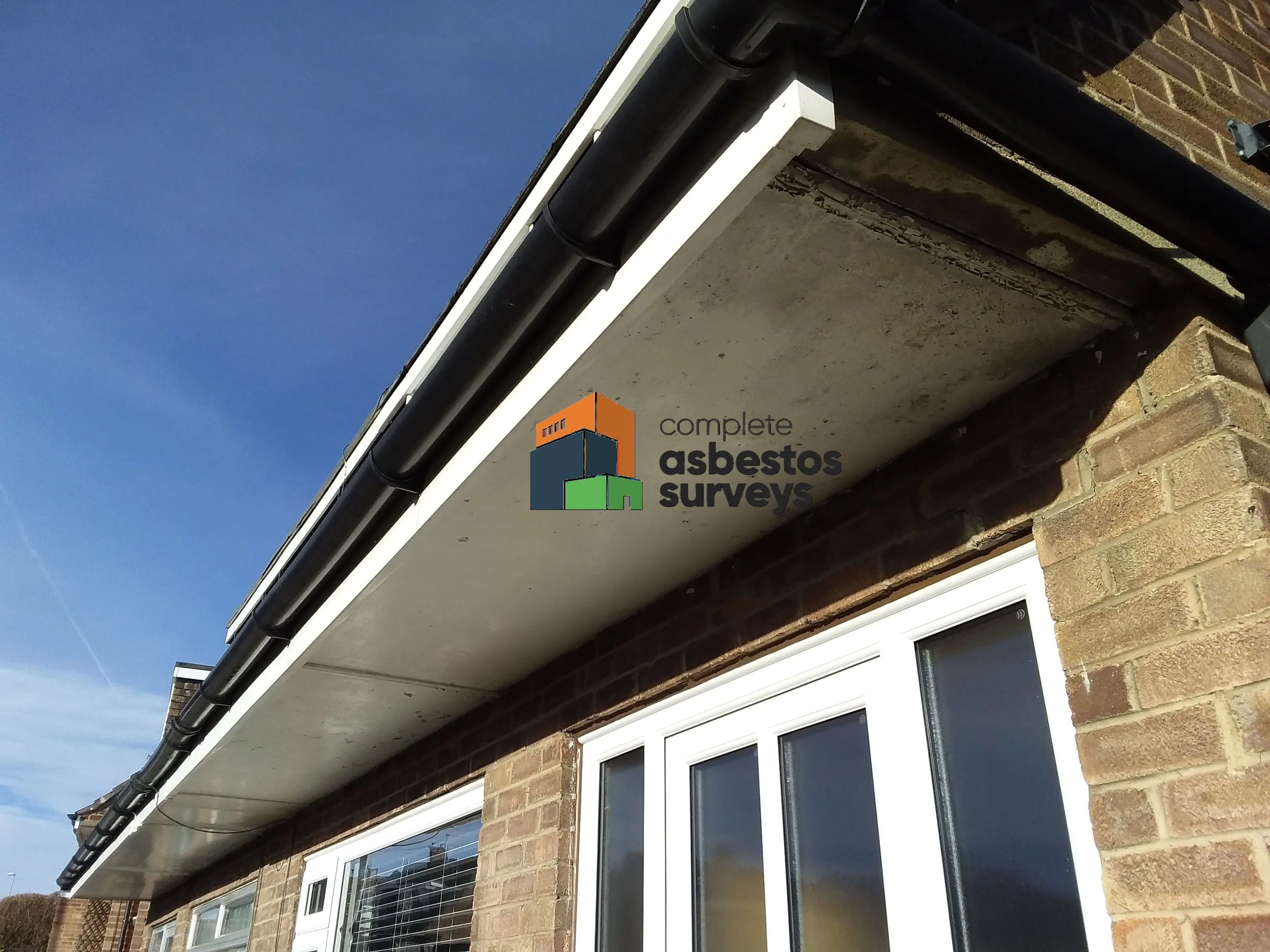
Factors That Affect the Cost of Asbestos Soffit Removal
Asbestos Soffit Cost
Several variables can influence the price of asbestos soffit removal, so it’s helpful to be aware of what determines the final bill:
- Amount of Asbestos Present: The total area covered by asbestos-containing soffits will have a direct impact on costs—the larger the job, the higher the price.
- Type of Asbestos Material: The specific kind of asbestos found in your soffits (for example, asbestos cement versus insulating board) can affect both the complexity and the cost of safe removal.
- Accessibility: If your soffits are difficult to reach—such as those on upper stories or in confined areas—extra safety measures like scaffolding may be necessary, which adds to the expense.
- Site Preparation and Containment: Some properties may require extensive protective enclosures or negative pressure systems to contain dust and fibres, further increasing the cost.
- Waste Disposal: Proper disposal at a licensed facility is mandatory in the UK, and the volume and type of asbestos waste can factor into the total cost.
If you’re comparing quotations, be sure each covers these variables, and always prioritise safety and compliance over upfront savings.
Removal costs depend on the material, quantity, condition, access requirements and scope. Ask for an itemised quotation stating whether VAT, access equipment, disposal, testing and replacement soffits are included.
What happened to asbestos usage in the UK after 1999?
After 1999, the use of asbestos in the UK was completely prohibited under nationwide regulations. As a result, no new asbestos-containing materials can be legally manufactured, imported, or used in construction. This prohibition came into effect because of mounting health concerns and the clear link between asbestos exposure and serious illnesses like mesothelioma, lung cancer, and asbestosis.
Existing buildings constructed prior to the ban may still contain asbestos materials, such as soffits, insulation boards, or pipe coverings. It’s important for property owners to be aware of this, as any renovation or demolition work may disturb these materials and release dangerous fibres. The Control of Asbestos Regulations 2012 set out strict requirements for managing and removing asbestos found in existing structures, with legal penalties for non-compliance.
If you own or manage a property built before the ban, regular asbestos surveys and safe management practices are essential to protect occupants and remain legally compliant.
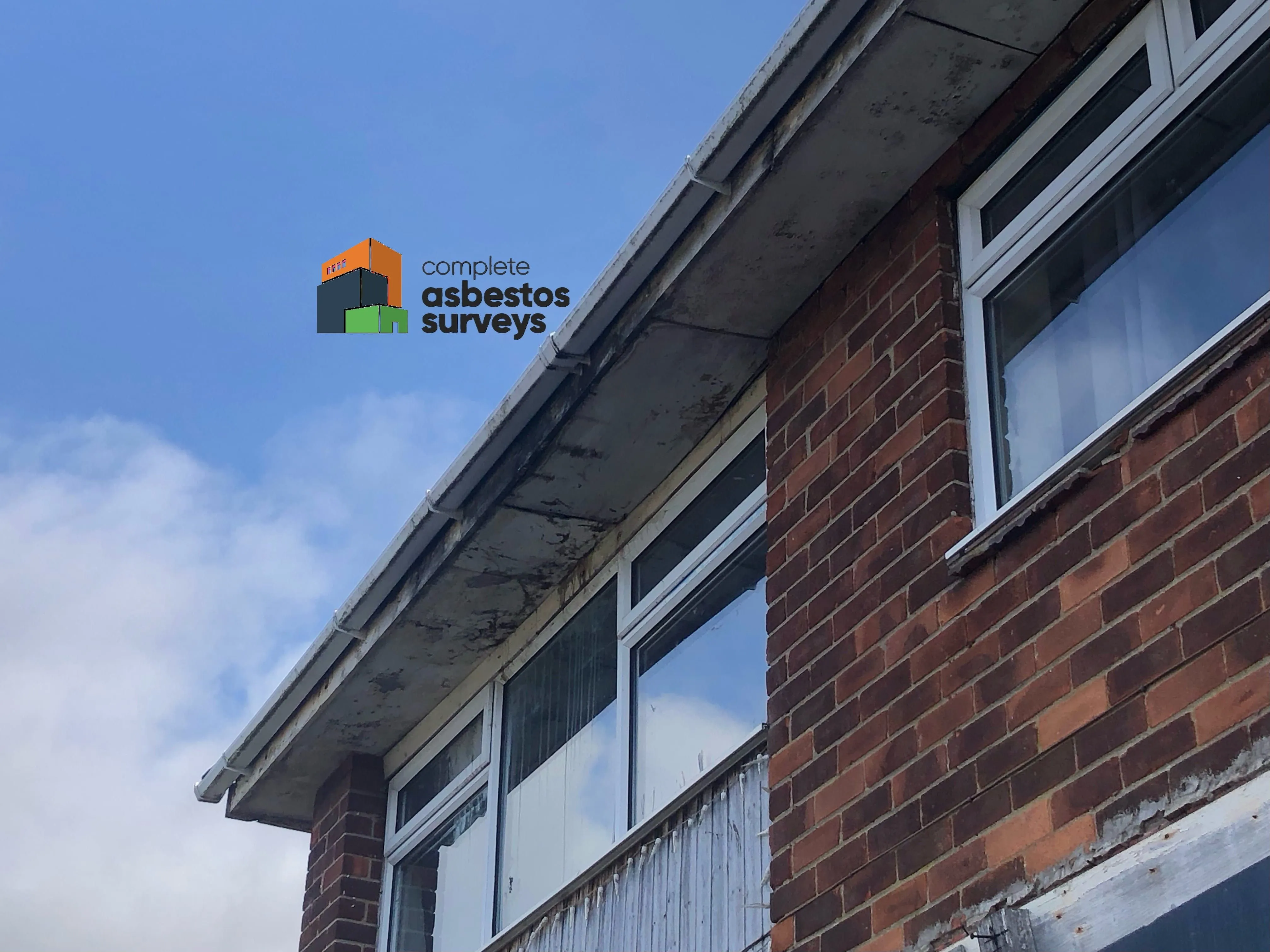
Why Were Asbestos Soffits Used in Building Projects?
Before the hazards of asbestos became widely recognized, this mineral found its way into a surprising number of building materials—including soffits. So why were builders such fans? Well, asbestos was a bit of a wonder ingredient. Blended into products like cement, it made soffit boards tough enough to survive decades of British weather without batting an eye. Not only that, but it added useful properties like impressive fire resistance and a knack for keeping draughts at bay.
It didn’t stop at soffits either. Thanks to its thermal and acoustic insulation abilities, asbestos cropped up everywhere from pipe lagging to loft insulation. Builders of the day appreciated its affordability and accessibility, making it a go-to choice for both big developers and anyone tackling DIY in the 60s, 70s, and 80s.
Of course, the story took a sharp turn as the health risks became unmistakable, culminating in a UK ban on the use of asbestos in building materials that finally landed in 1999.
When were asbestos soffits used in construction?
If your home hails from the era between the 1970s and the late 1990s, there’s a fair chance asbestos soffits might be lurking overhead. Throughout much of the twentieth century, especially post-war and into the late '90s, asbestos was a go-to material in building products thanks to its durability and fire-resistant qualities. However, awareness of health risks grew in the late twentieth century, and by 1999, the UK had banned asbestos entirely.
So, if your property was built or revamped during that window, it’s worth your while to have those soffits checked. Professional testing is the surefire way to know what you're dealing with before embarking on any removal or renovation work.
Things to consider as a homeowner with asbestos soffits
- Do not attempt asbestos removal if you're not properly trained and equipped.
- Asbestos exposure can lead to severe health issues, including lung cancer and mesothelioma, so safety should be the top priority. Do not risk it.
- Be extremely cautious and patient to minimize the risk of releasing asbestos fibres.
- Asbestos removal is a dangerous task and should ideally be left to professionals. DIY removal should be a last resort, and it's crucial to follow all safety guidelines and local regulations.
- Keep children and pets away from the work area.
- Contact a professional like us to carry out the works.
For detailed information on managing asbestos soffits and your responsibilities, visit the HSE Duty to Manage Asbestos Guide.
Concerned about asbestos soffits? Contact our expert team for safe removal across Yorkshire.
Frequently Asked Questions
What are the risks associated with asbestos exposure, and why is it important to follow safety procedures during removal?
Asbestos exposure can lead to serious health issues such as lung cancer, mesothelioma, and asbestosis. Inhalation of asbestos fibres is particularly hazardous, as they can become lodged in the lungs and cause long-term damage. Following safety procedures during removal, including wearing appropriate protective gear and properly containing and disposing of asbestos materials, is crucial to minimizing the risk of exposure.
How can I ensure that I am complying with UK regulations regarding asbestos removal?
To ensure compliance with UK regulations, it is essential to conduct an asbestos survey to identify the presence and type of asbestos. Additionally, familiarize yourself with the Control of Asbestos Regulations 2012 and any other relevant legislation governing asbestos removal. Failure to comply with these regulations can result in legal penalties and pose significant health risks.
Are there any alternatives to DIY asbestos removal, such as hiring a professional contractor, and what are the advantages of doing so?
Hiring a professional asbestos removal contractor is always recommended due to the expertise and specialized equipment they possess. They are trained in safe asbestos removal practices and can ensure that the process is carried out efficiently and in compliance with regulations. Additionally, hiring a contractor can minimize the risk of exposure to asbestos fibres and provide peace of mind knowing that the removal is being handled by experienced professionals.
For more information, visit our Frequently Asked Questions section here