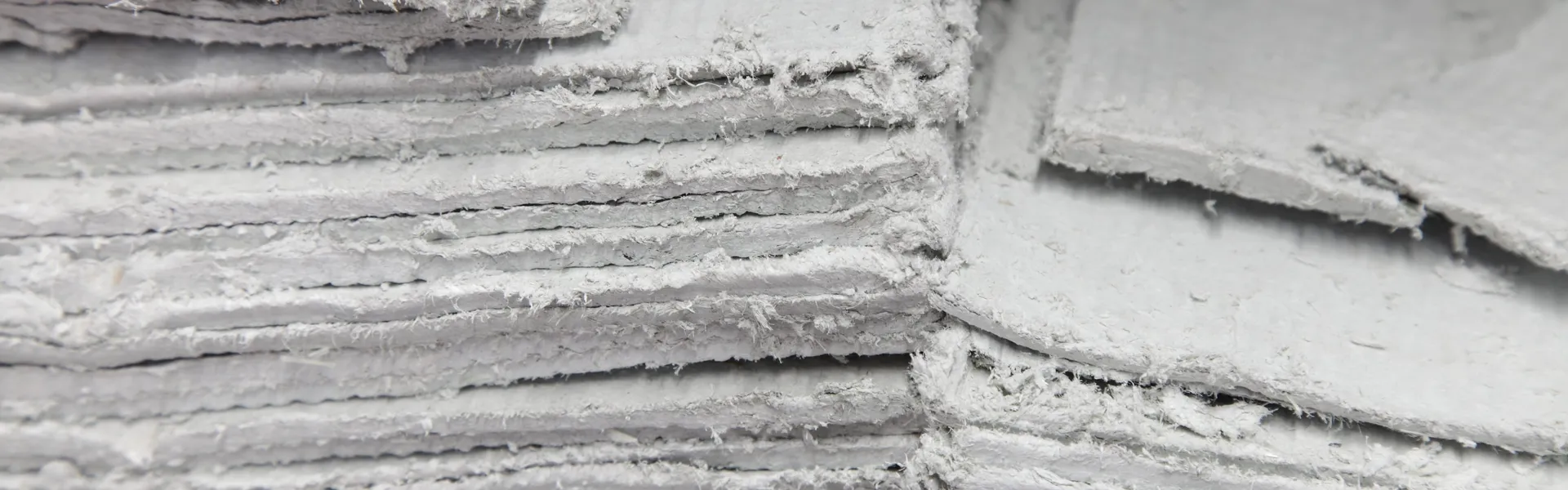
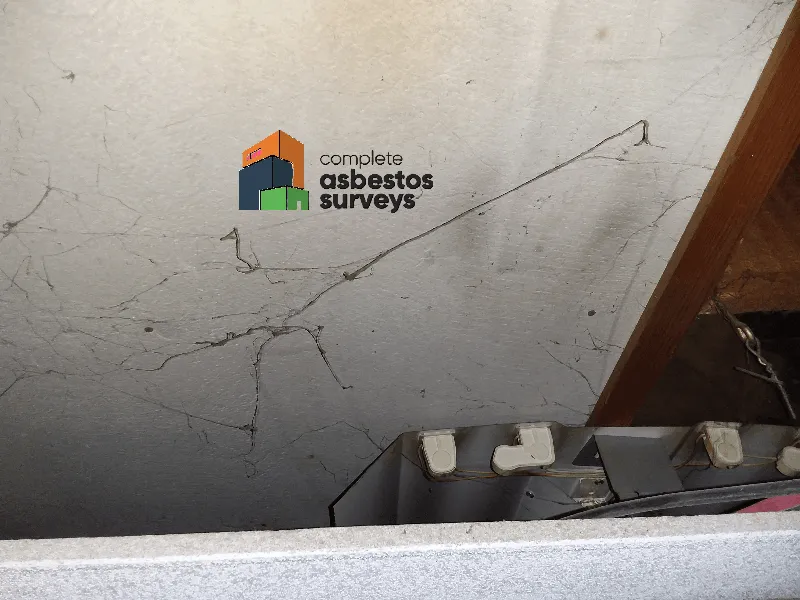
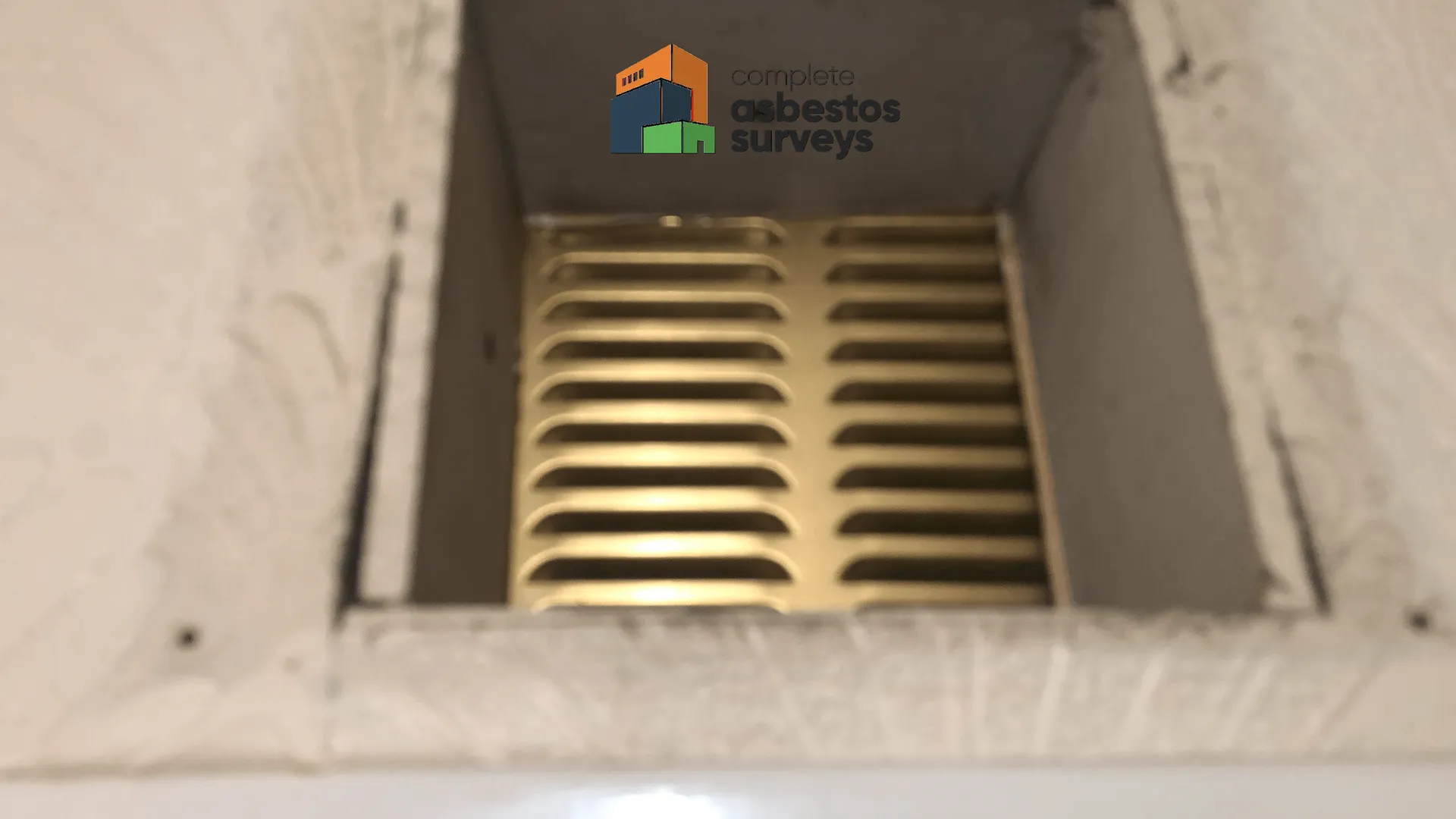
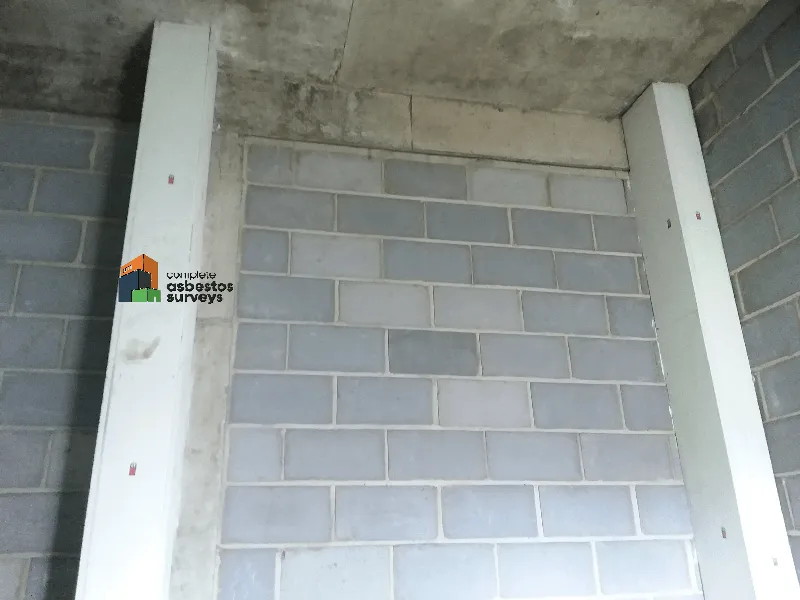
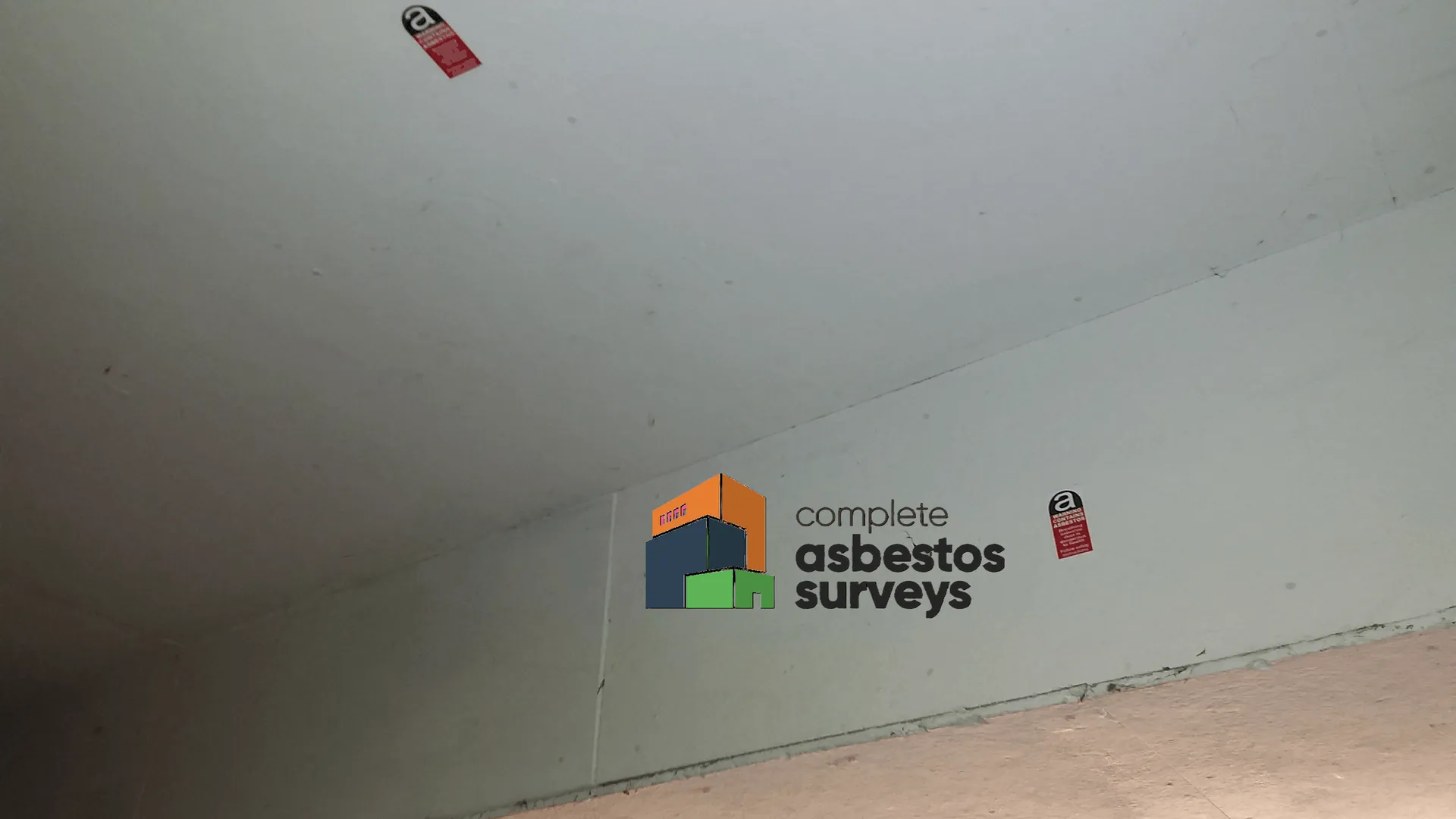
What Is Asbestos Insulating Board (AIB)?
Asbestos Insulating Board (AIB) is a lightweight board containing a high percentage of asbestos fibres (commonly amosite – brown asbestos).
It was used for its excellent fire-resistant and insulating properties, making it a popular building material in both domestic and commercial properties throughout the 20th century.
Unlike asbestos cement, AIB is softer and more friable, meaning it can release fibres more easily if disturbed.
Where Is AIB Found?
AIB can be found in a wide range of locations, particularly in older buildings, including:
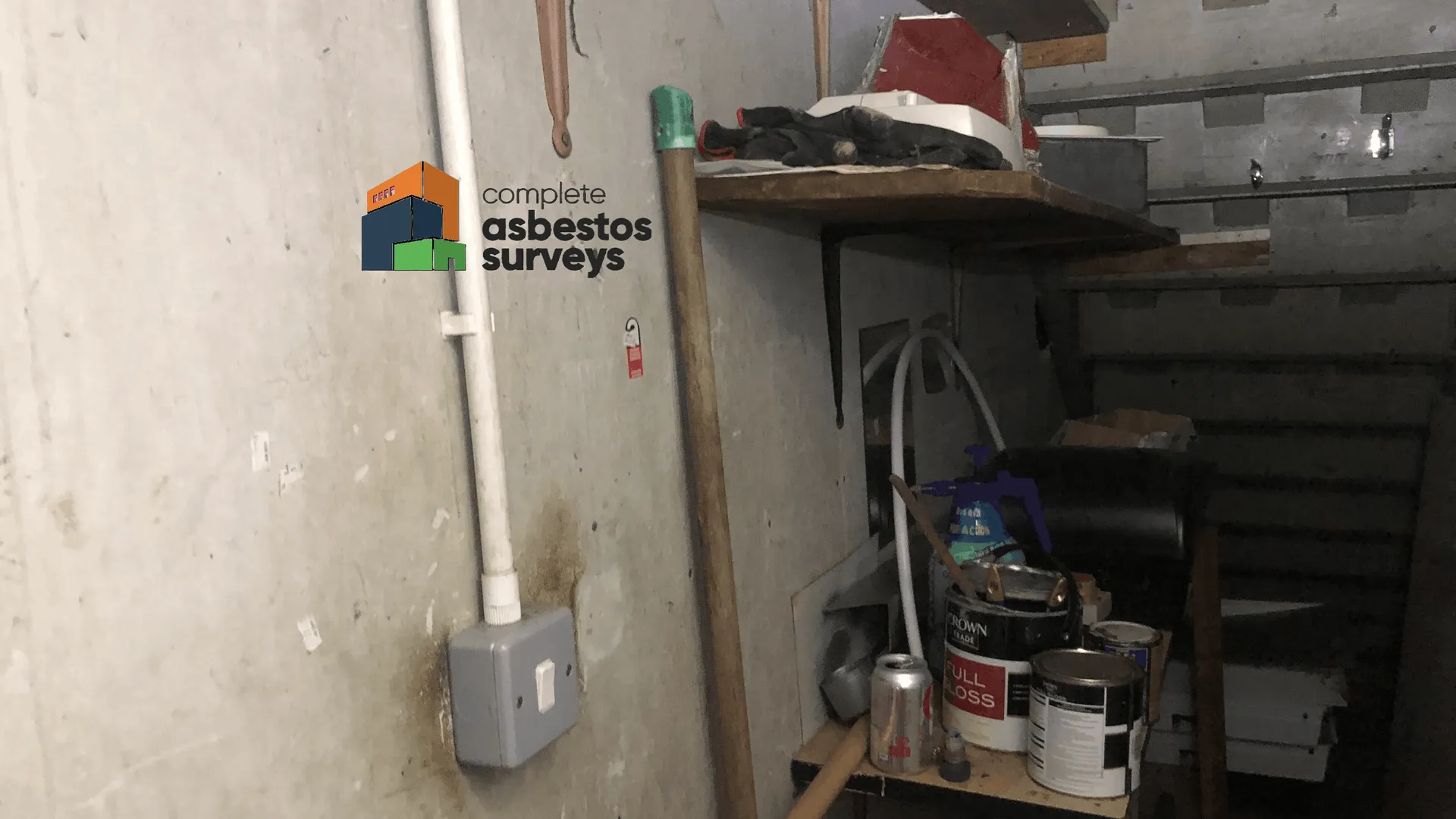
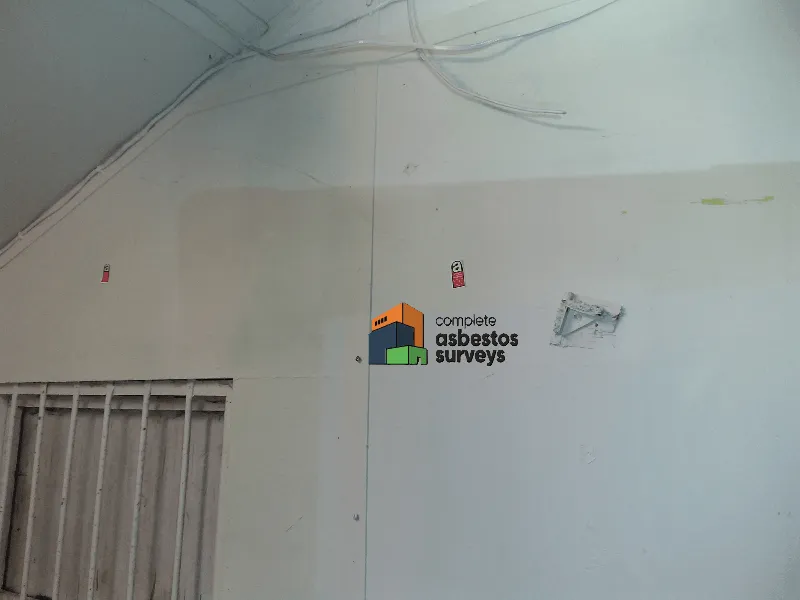
- Fireproof wall panels and partitions
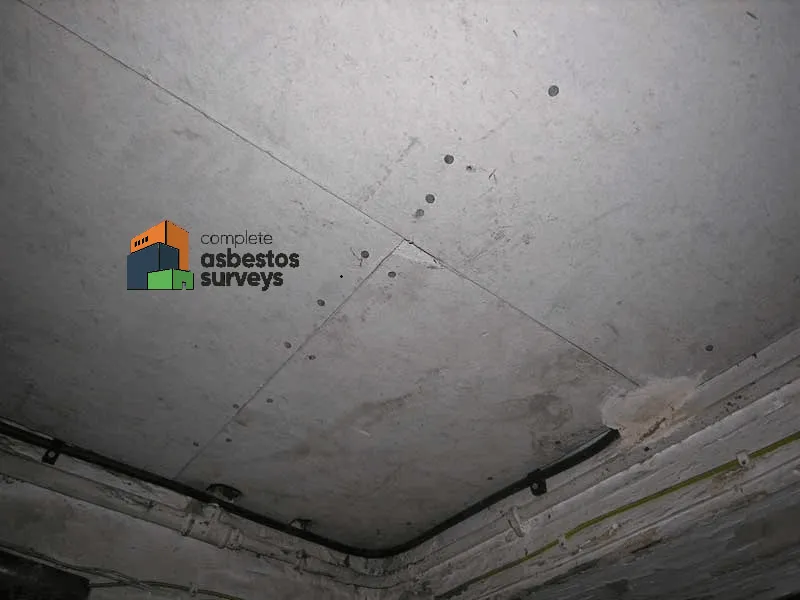
- Ceiling tiles and suspended ceilings
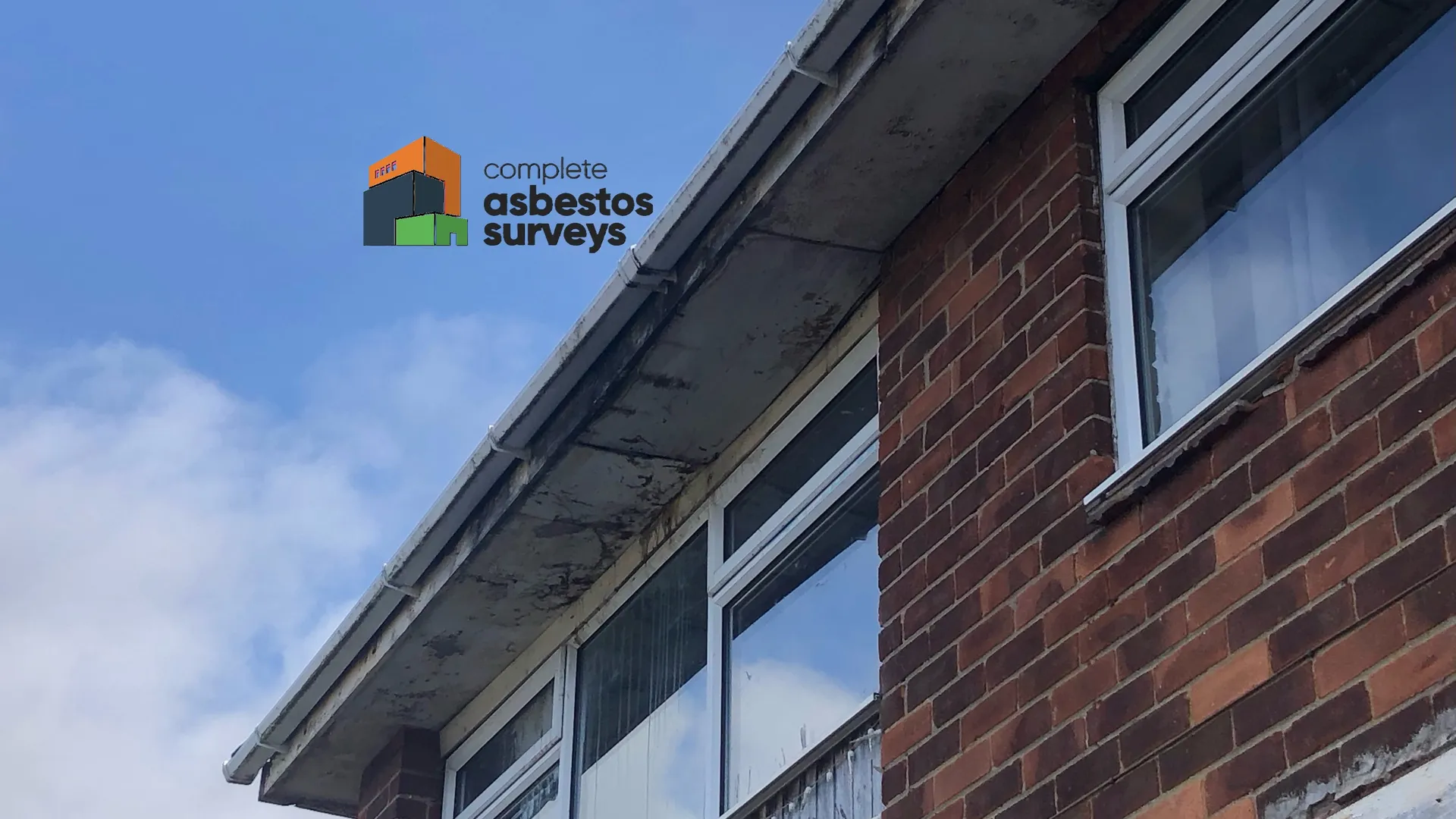
- Soffits and roof linings
- Service risers and duct panels
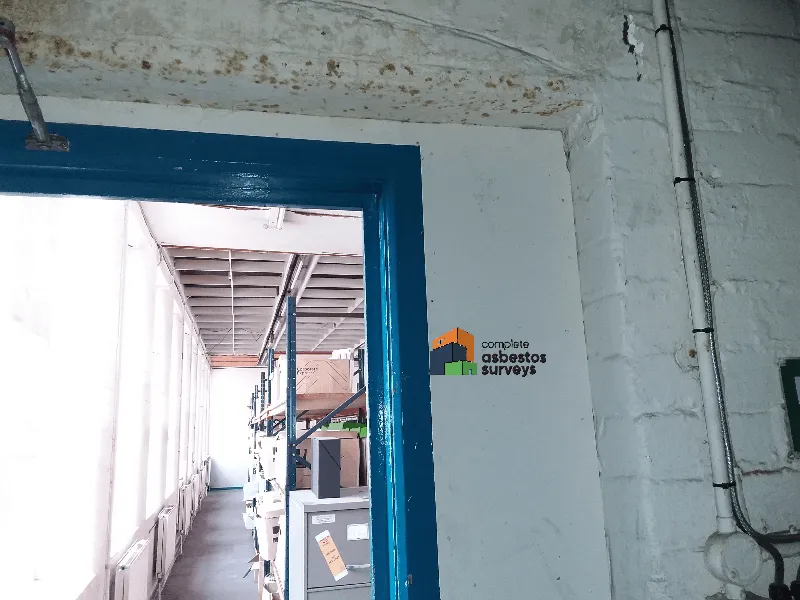
- Fire doors and door linings
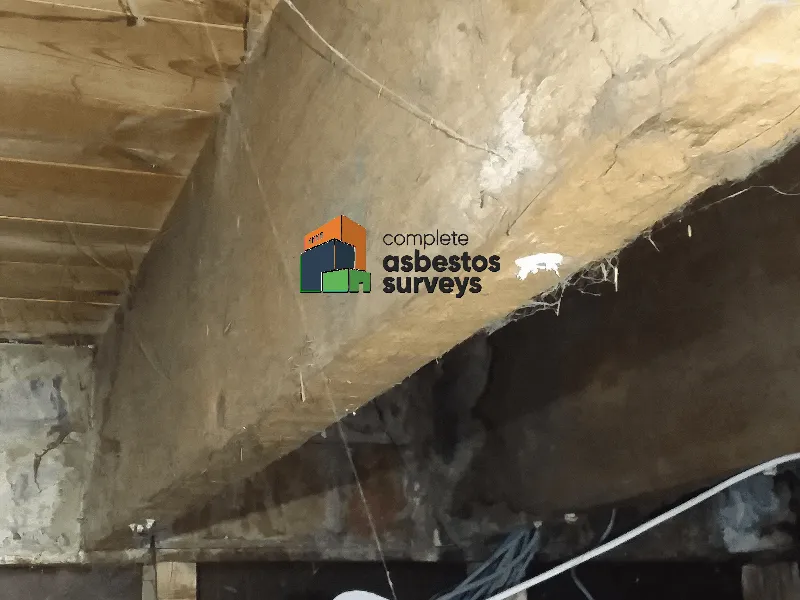
- Boxing around pipes and structural steel
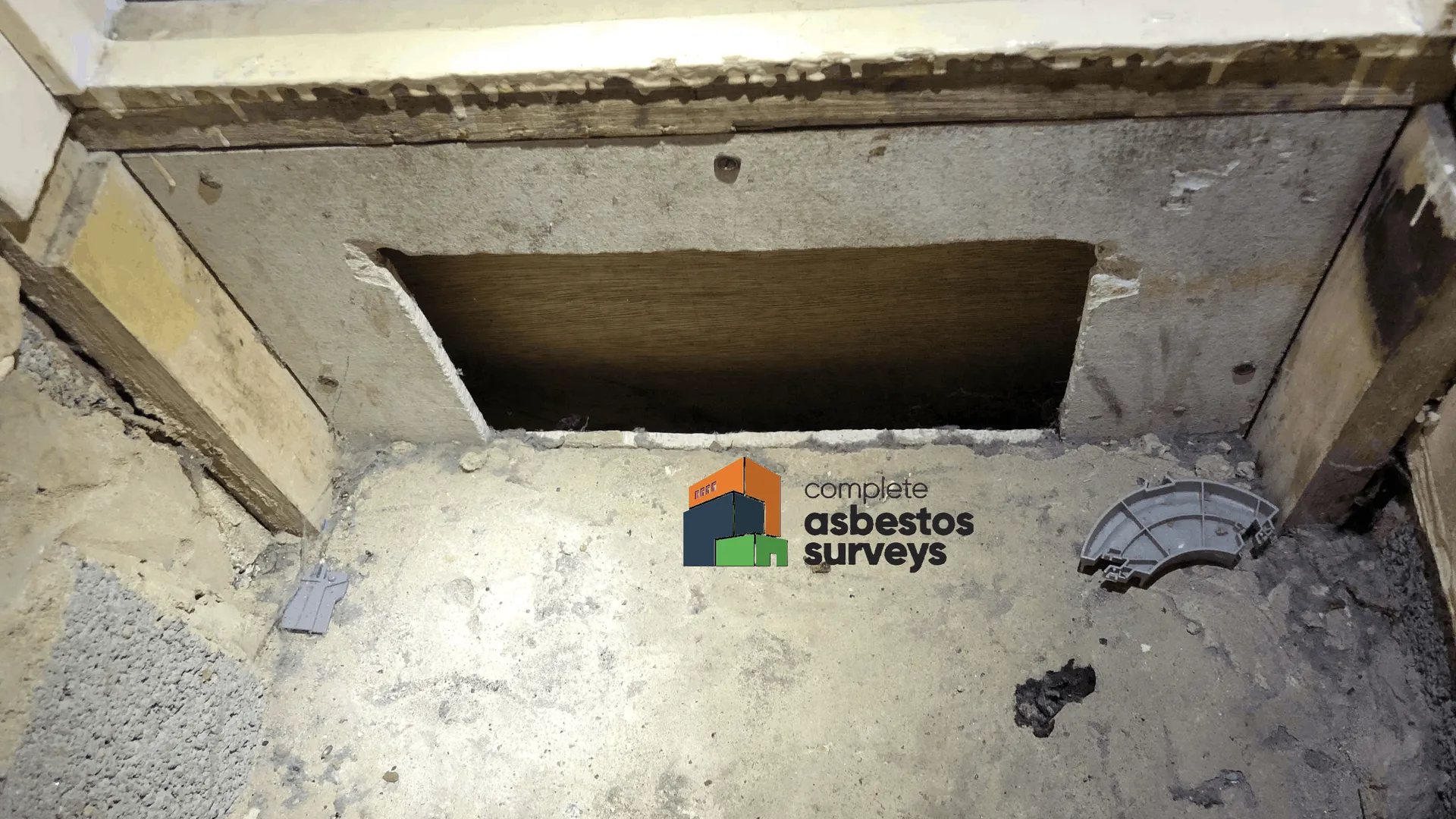
- Heater cupboards and airing cupboards
It was commonly used anywhere fire protection or insulation was required.
What Does AIB Look Like?
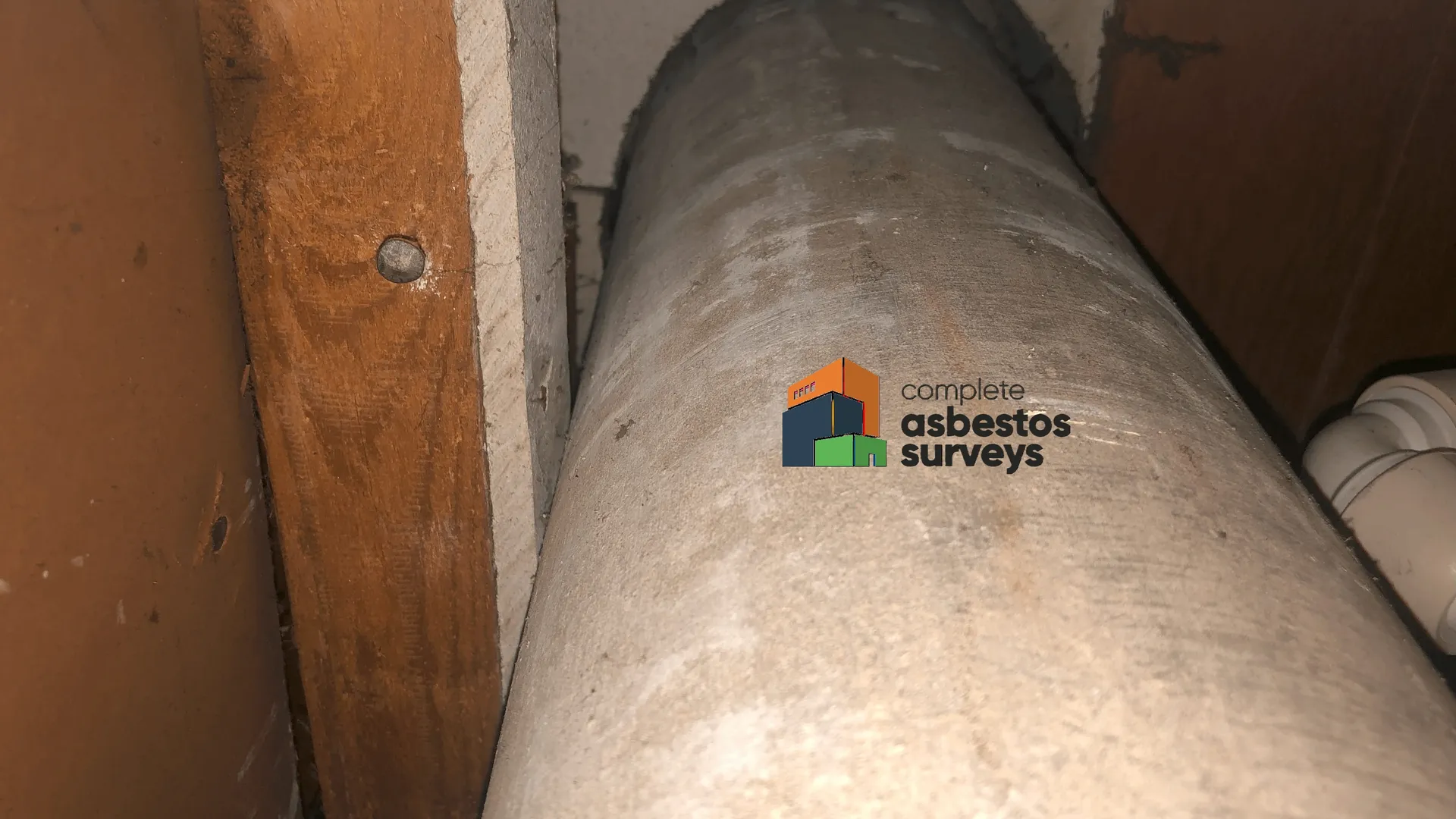
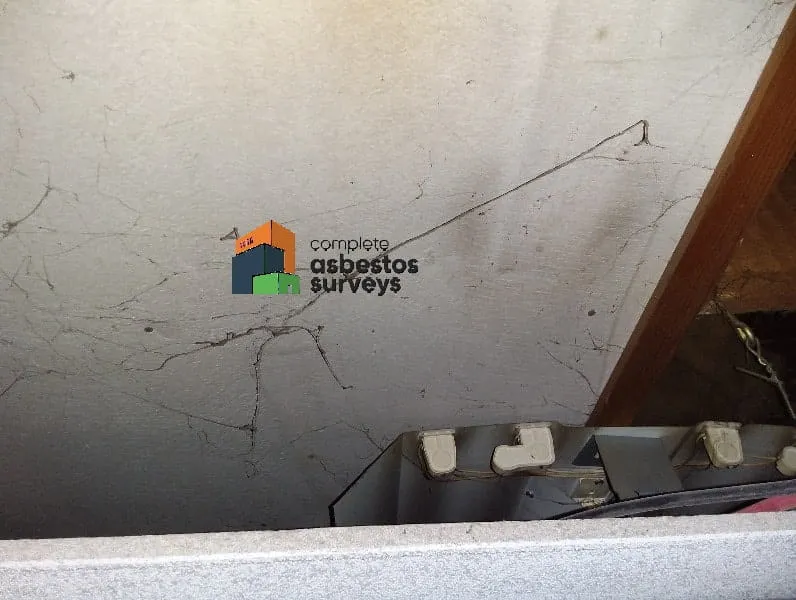
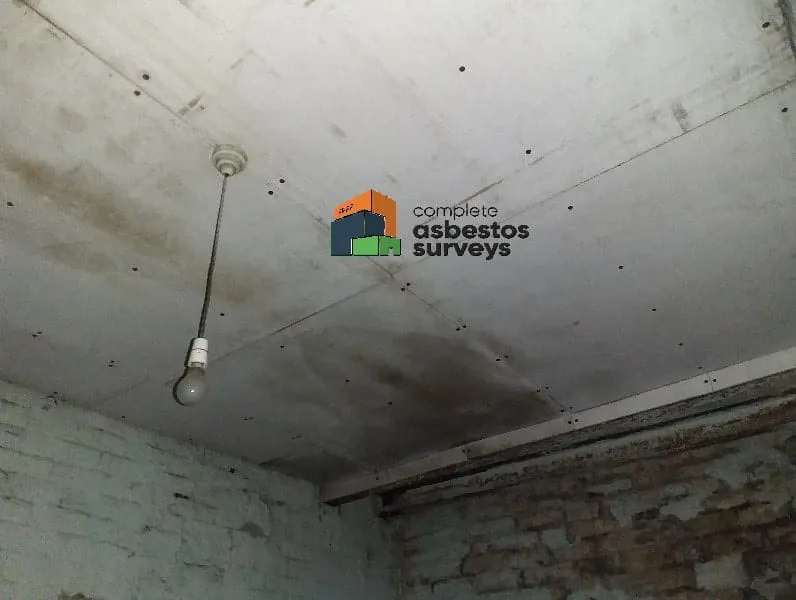
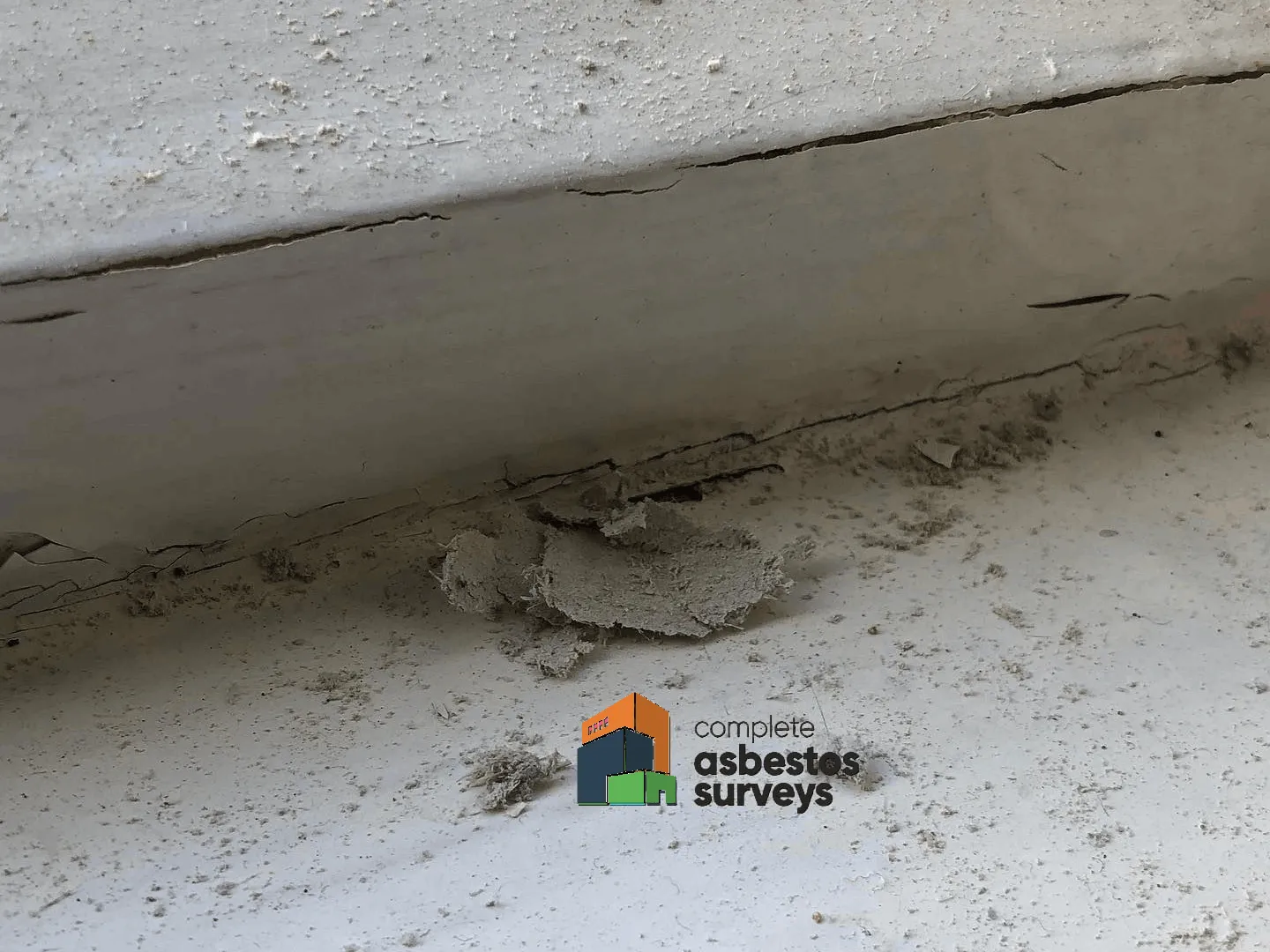
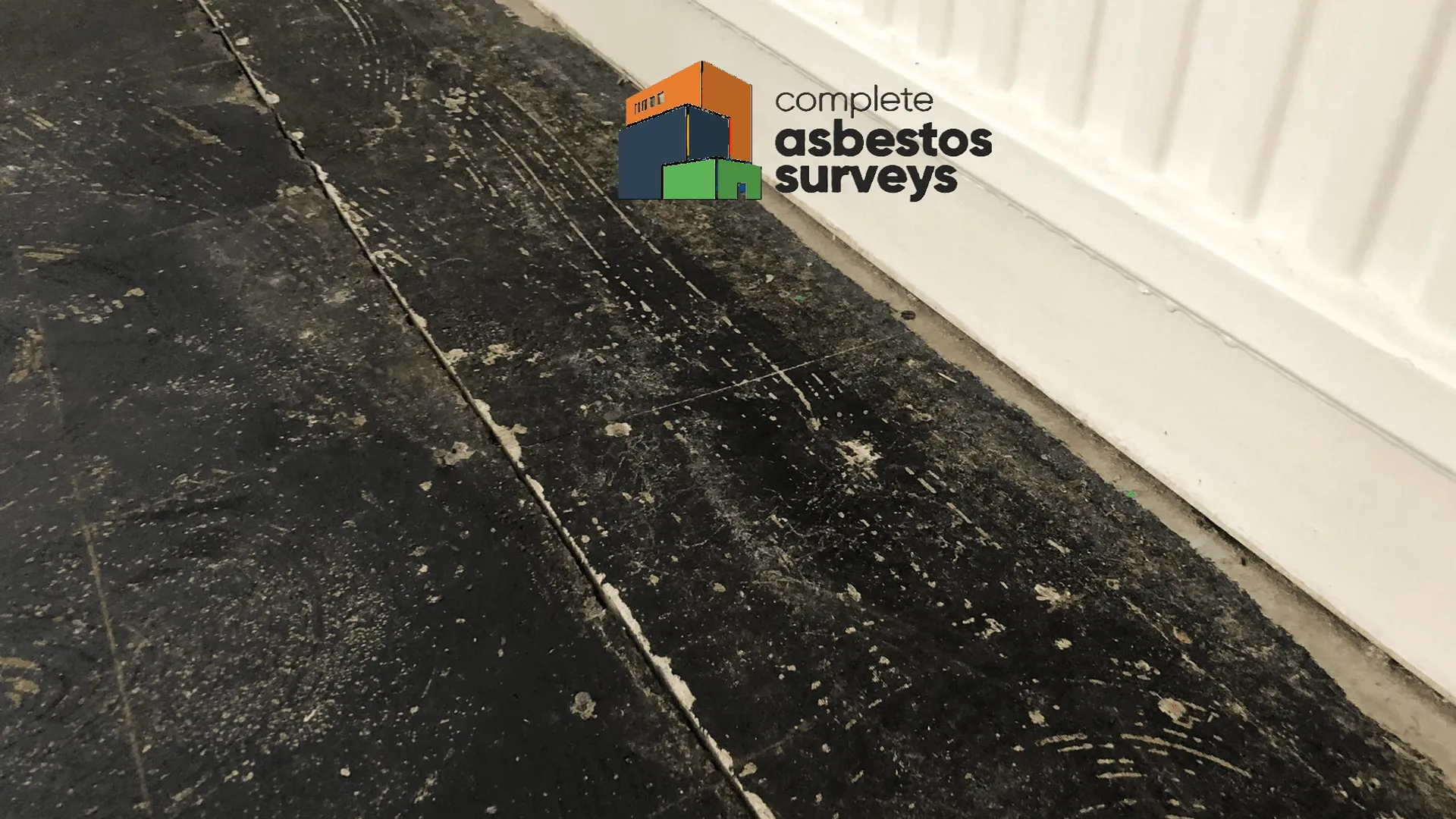
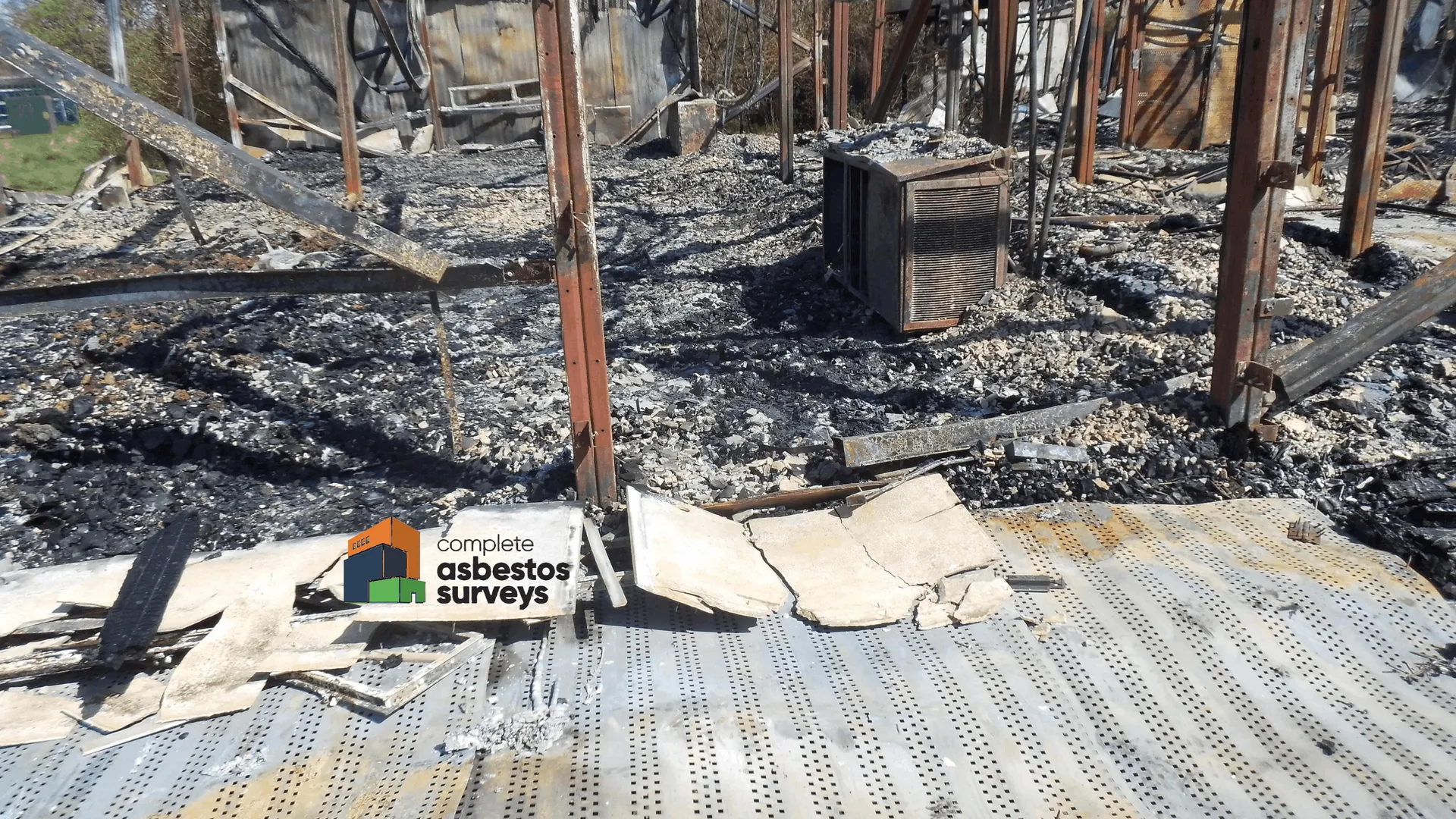
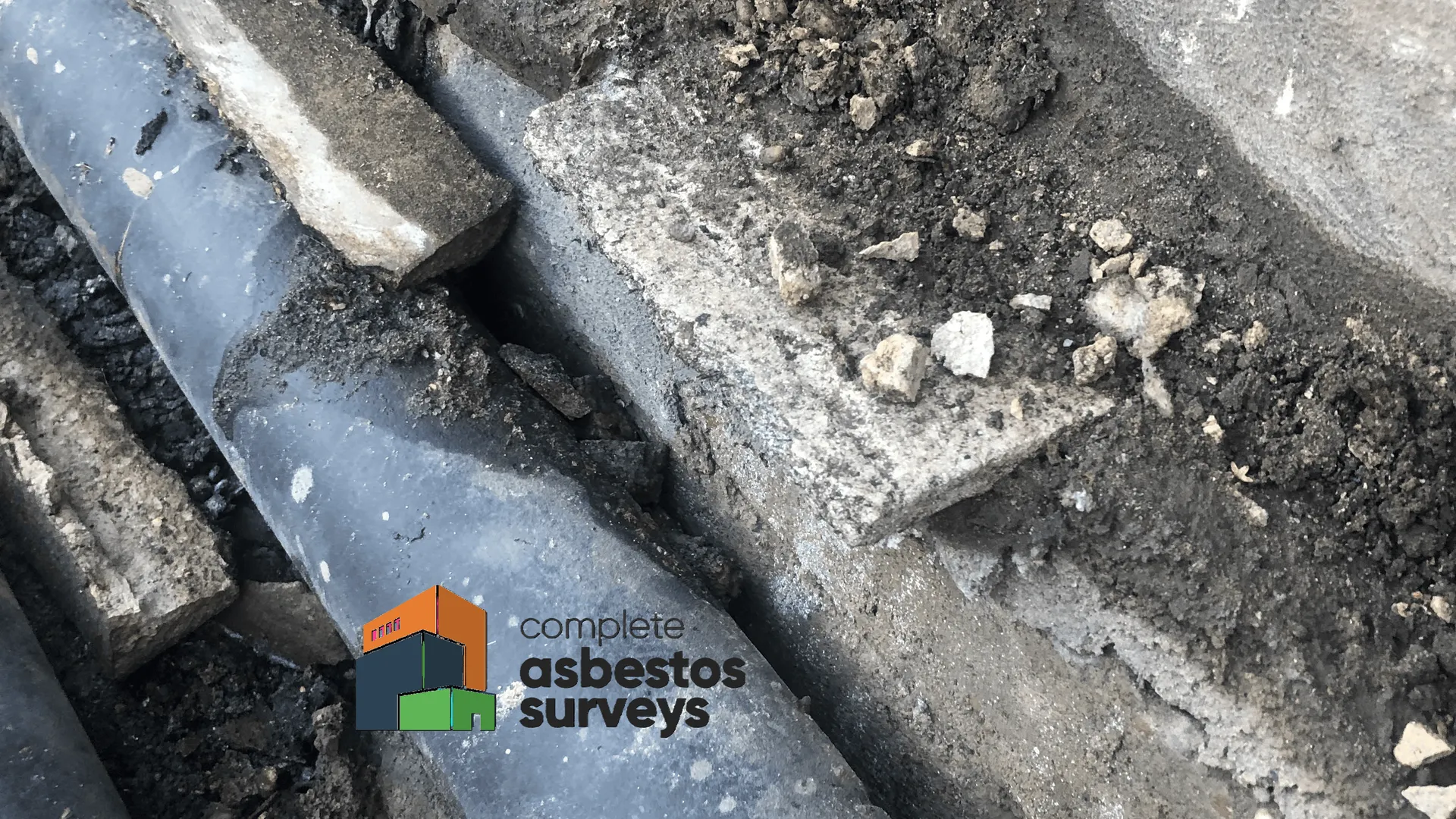
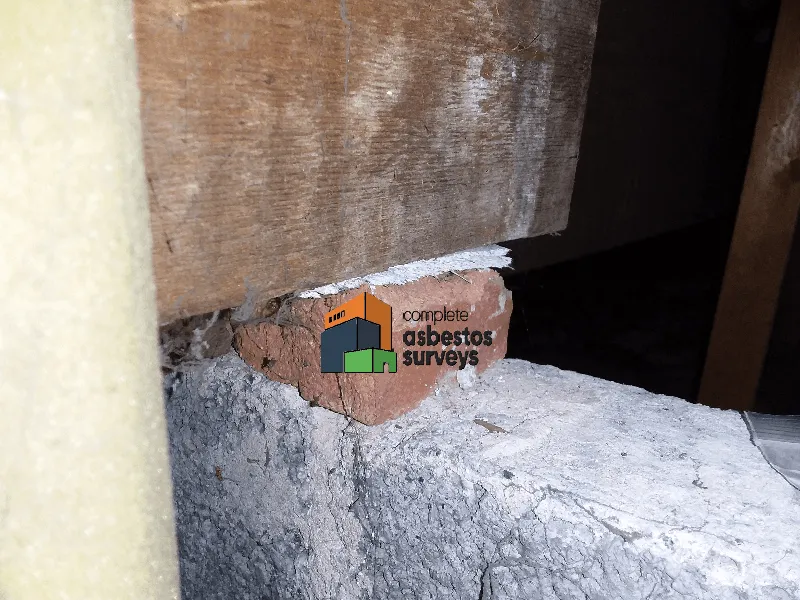
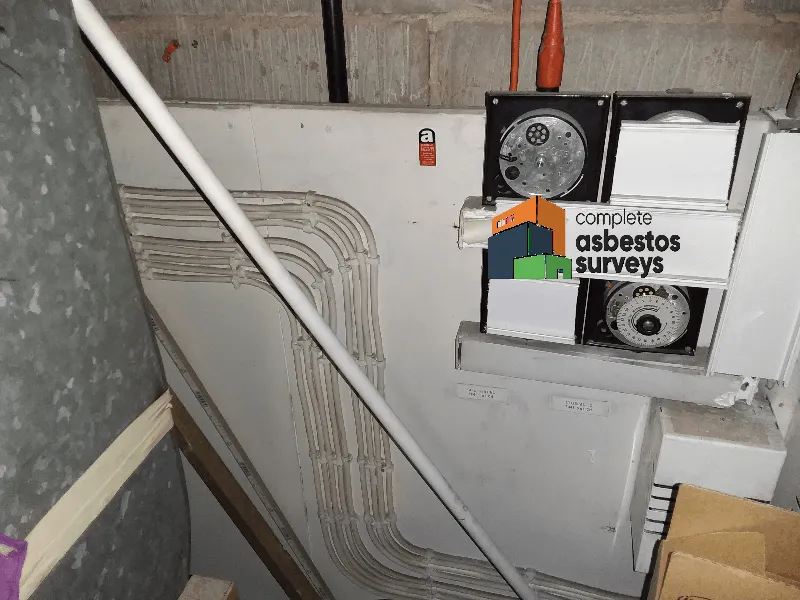
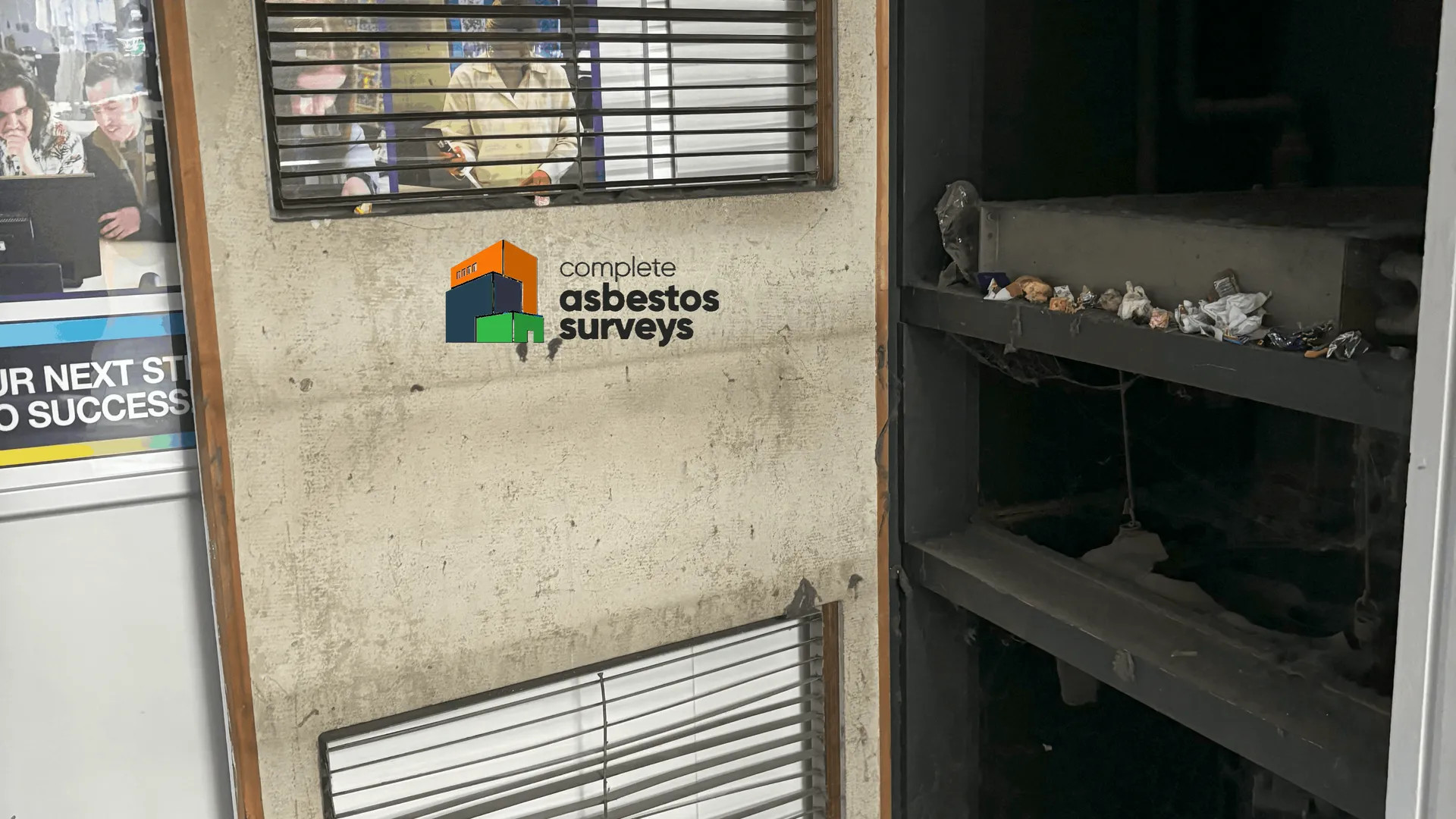
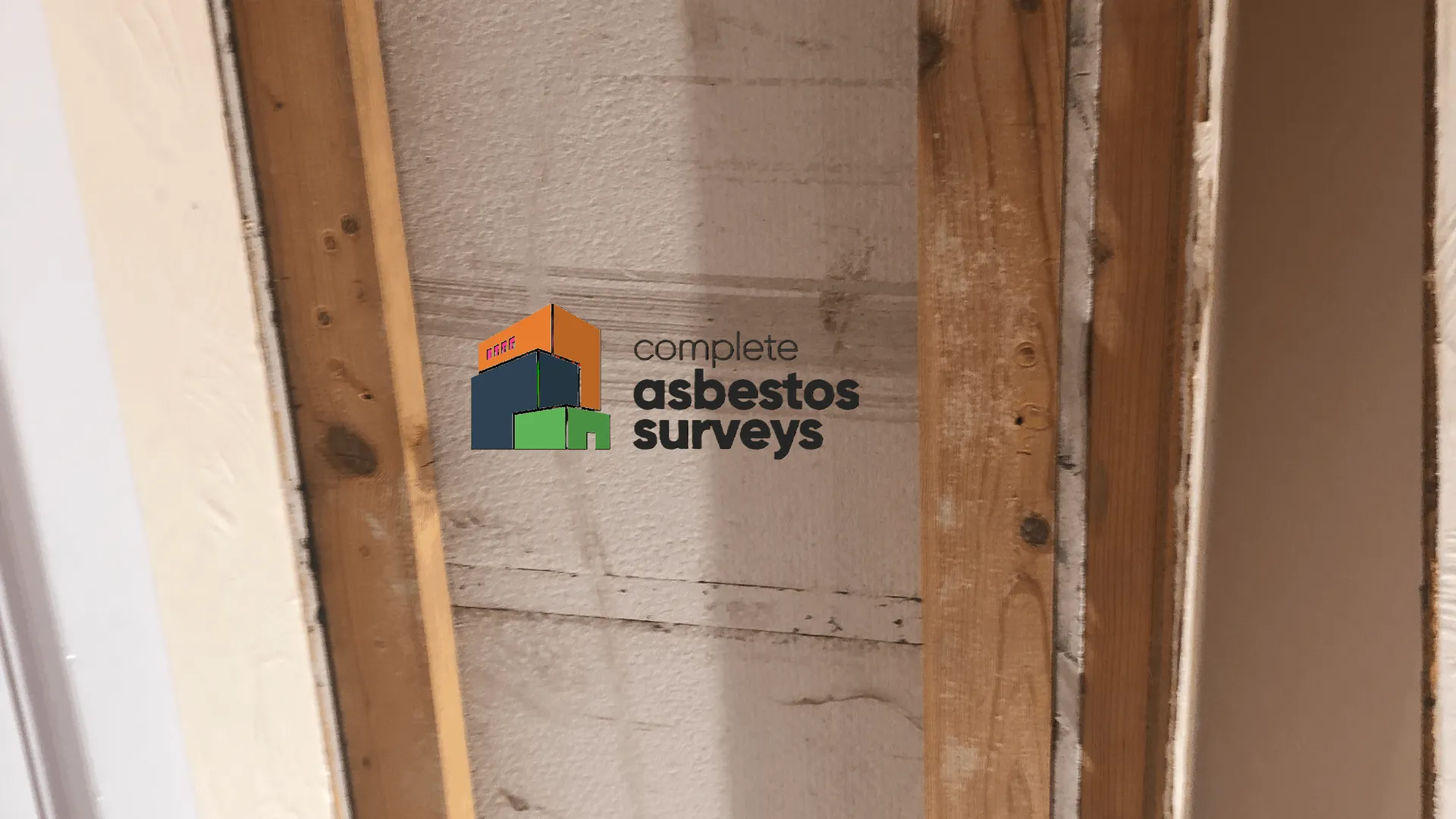
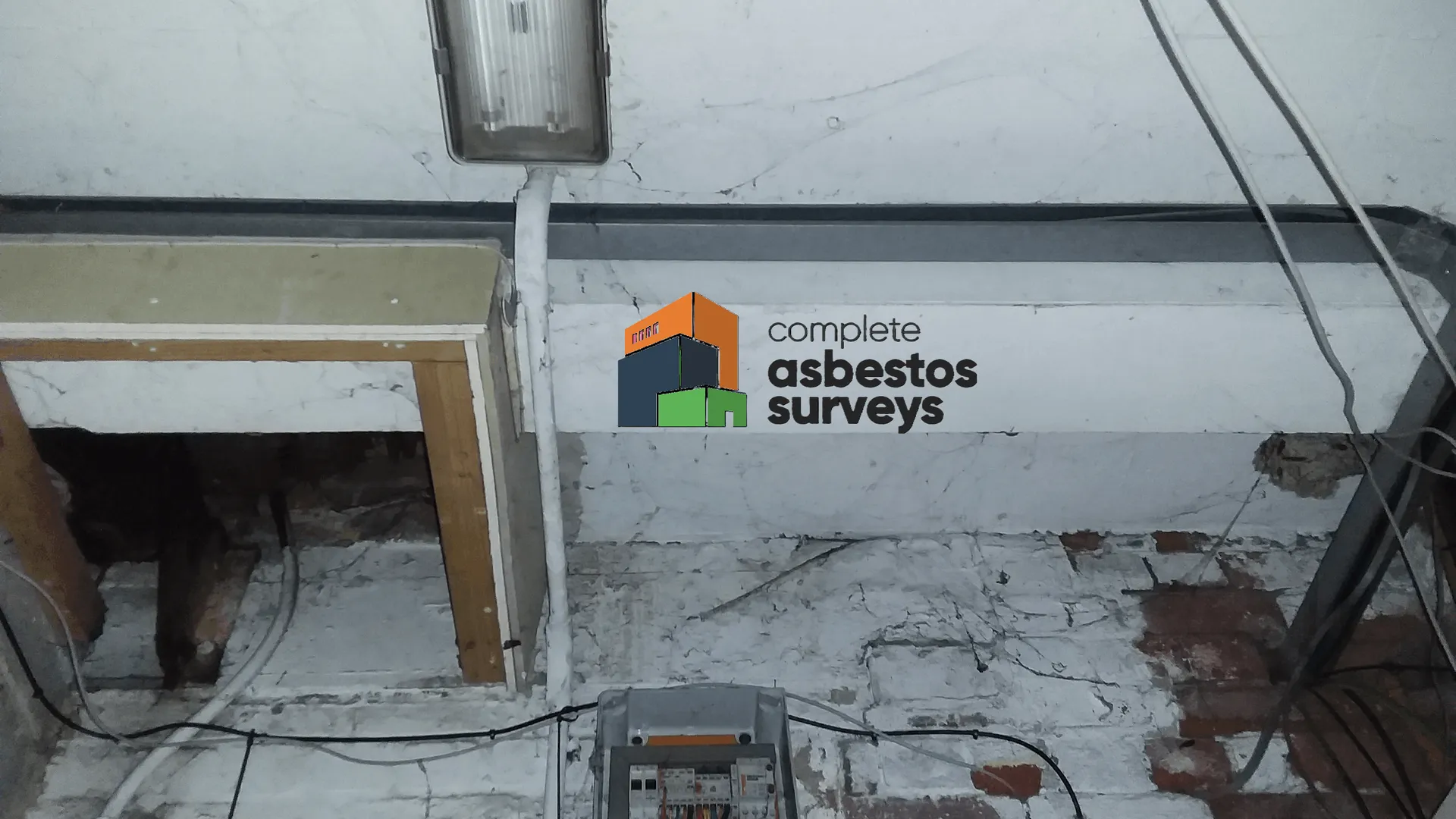
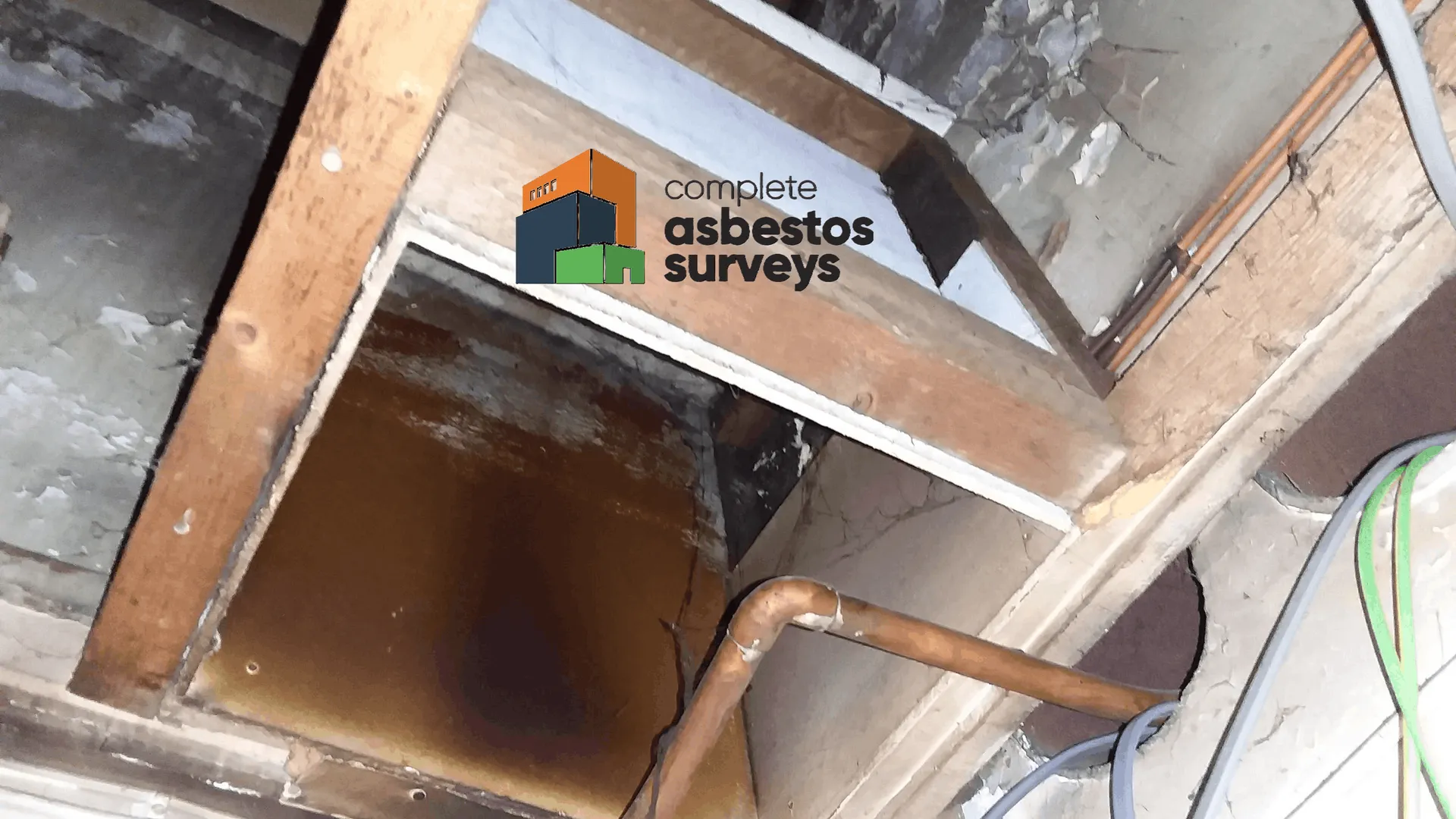
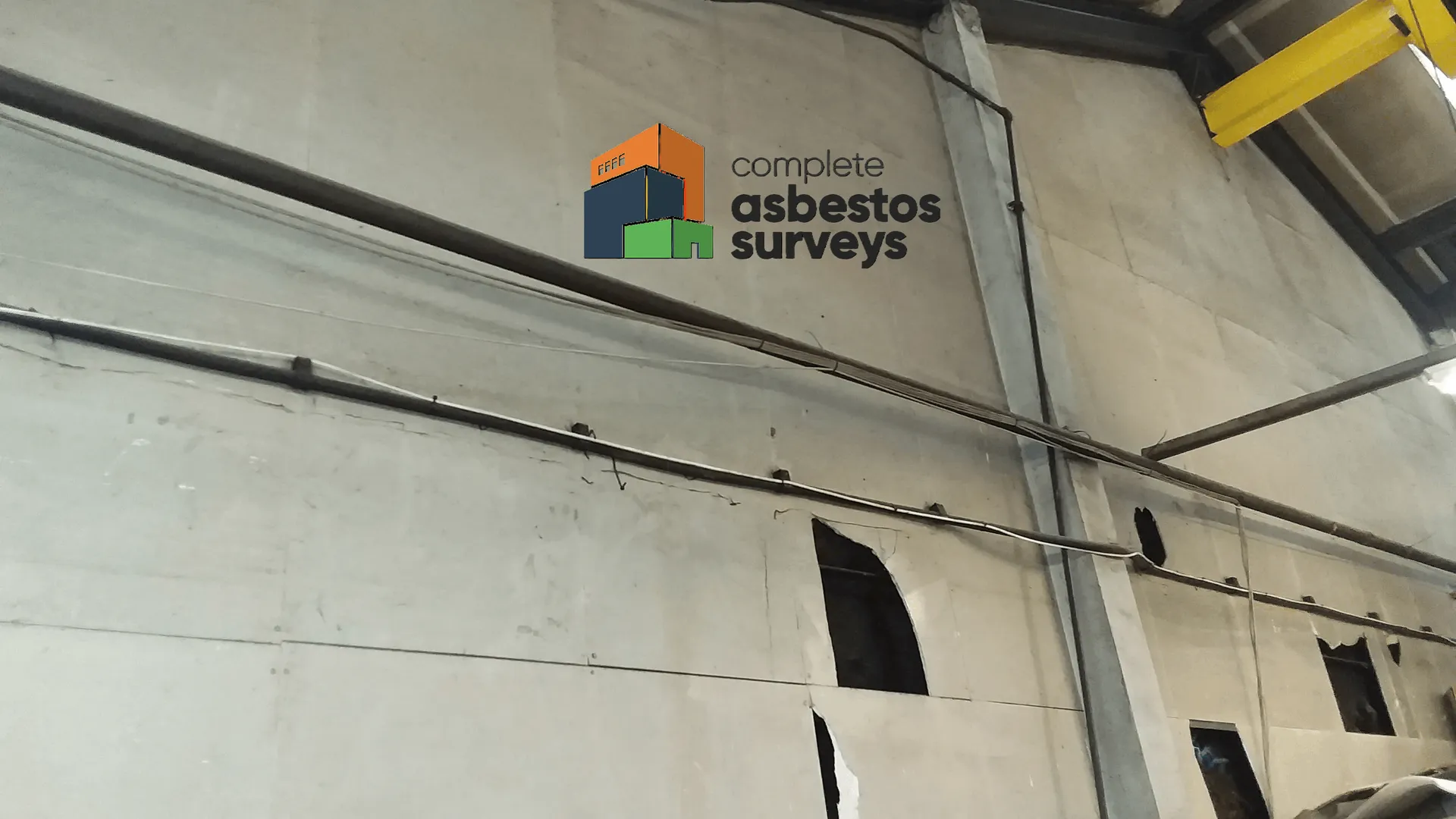
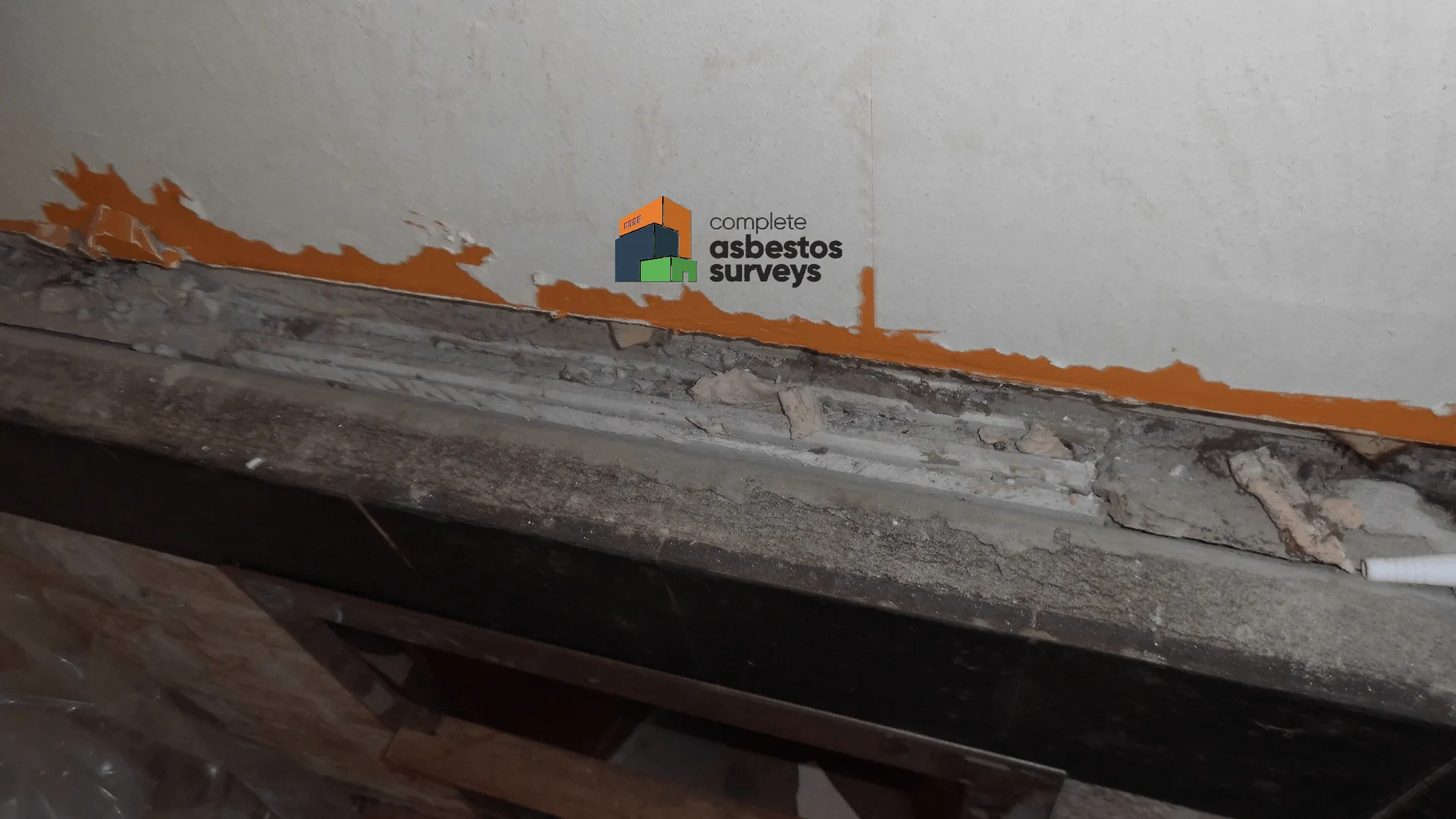
AIB often appears as flat panels or ceiling tiles and may be painted, sealed or concealed behind other finishes. It can resemble plasterboard, other non-asbestos boards and some asbestos cement products. Colour and appearance alone cannot confirm its identity.
AIB was commonly used for fire protection in partitions, ceiling panels, door linings and service enclosures. Asbestos cement was often used for roofing, cladding and rainwater goods, although their uses can overlap.
AIB generally releases fibres more readily when disturbed than asbestos cement. Do not scratch, dent, bend or break a board to try to identify it. Do not scrape off paint or expose an edge for comparison.
You can view our asbestos cement gallery for examples of different products, but photographs are only a guide.
A competent surveyor can assess the material and arrange professional sampling and laboratory analysis where needed. Our guide to identifying asbestos explains the limits of visual identification.
Is AIB Dangerous?
Yes — AIB is considered a higher-risk asbestos material.
This is because:
- It contains a higher percentage of asbestos fibres
- It is more friable than cement-based materials
- Fibres can be released easily if disturbed
Activities such as drilling, cutting, or breaking AIB can release significant amounts of asbestos fibres into the air, posing serious health risks if inhaled.
What Should You Do If You Find AIB?
If you suspect a material is AIB:
- Do not disturb or damage it
- Avoid drilling, cutting, or sanding
- Restrict access to the area if necessary
- Arrange an asbestos survey or sampling
- Seek professional advice before any work is carried out
In many cases, work involving AIB must be carried out by a licensed asbestos contractor due to the higher risk.
Need Help Identifying AIB?
At Complete Asbestos Surveys, we carry out asbestos surveys, testing, and removal management across Yorkshire. If you suspect Asbestos Insulating Board in your property, we can quickly assess, sample, and provide clear guidance so you can move forward safely and compliantly.