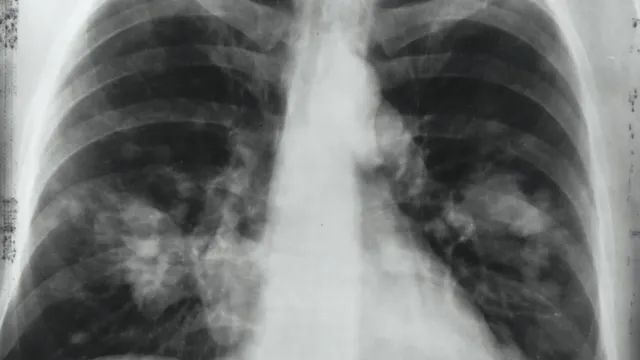
Key Points in This Blog
- Asbestos exposure can cause serious health conditions.
- Asbestosis causes long-term damage to the lungs.
- Asbestos exposure can cause mesothelioma and lung cancer.
- Symptoms may not appear for decades after exposure.
- Preventing asbestos exposure is the best way to reduce risk.
Health Effects of Asbestos Exposure
Asbestos exposure poses serious health risks, as its fibers can embed in the lungs and cause long-term damage. Understanding these risks is essential for early detection and prevention.
What Are the Major Health Effects of Asbestos Exposure?
Asbestosis
Asbestosis is a chronic lung disease caused by prolonged exposure to asbestos fibers. It typically develops 20-30 years after exposure.
Symptoms:
- Persistent cough
- Wheezing
- Fatigue
- Chest or shoulder pain
- Clubbed (swollen) fingertips in severe cases
Management:
Although incurable, symptoms can be managed by:
- Quitting smoking
- Regular exercise
- Oxygen therapy to improve blood oxygen levels
Learn more about asbestosis from the NHS website.
Lung Cancer
Asbestos fibres can damage lung tissue over time, leading to cancer. Smokers exposed to asbestos have a much higher risk.
Symptoms:
- Chronic cough
- Shortness of breath
- Weight loss
- Fever
- Chest pain
Speak to your GP about persistent or unexplained symptoms and mention any possible past asbestos exposure. Your doctor will decide which investigations or referrals are appropriate.
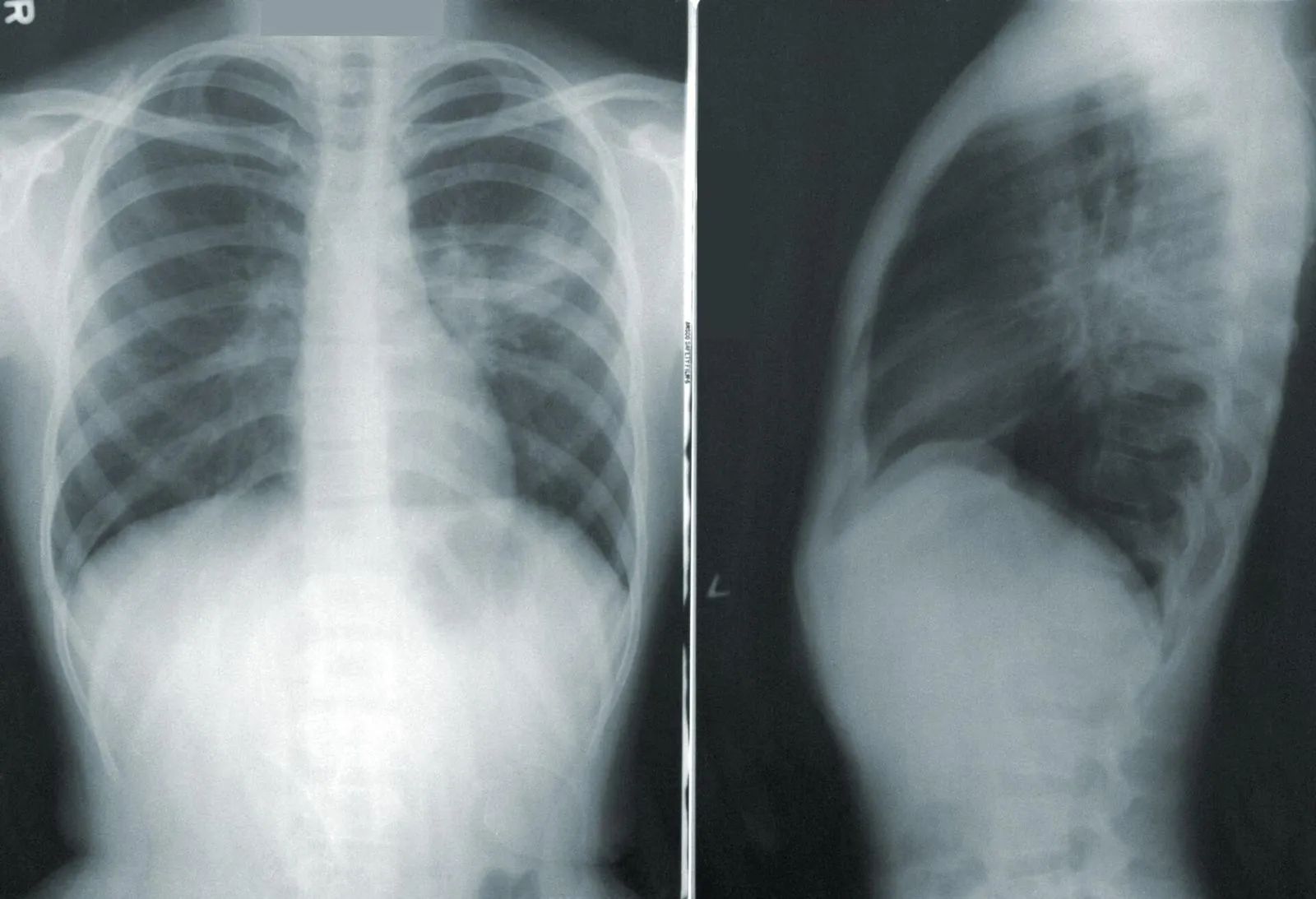
Routine chest X-rays are not recommended simply because someone may have had accidental asbestos exposure. An X-ray cannot establish whether asbestos fibres have been inhaled. See HSE’s advice on suspected exposure.
Mesothelioma
Outlook and treatment:
Mesothelioma is a serious cancer that can be difficult to treat. An individual’s outlook depends on the type and extent of the cancer, their general health and their response to treatment. A general article cannot predict how long someone will live; their specialist team can explain their individual situation.
Treatment may include immunotherapy, chemotherapy, radiotherapy and, in selected cases, surgery. Supportive and palliative care can help manage symptoms and improve quality of life alongside cancer treatment.
Read the NHS guidance on mesothelioma treatment for further information.
Pleural Plaques
Pleural plaques are thickened areas on the lining between the lungs and ribs.
Health Impact:
- Non-cancerous
- Generally asymptomatic
- Do not increase the risk of cancer
Asbestos Warts
Asbestos warts are non-cancerous skin growths that form when asbestos fibers become embedded under the skin, creating wart-like calluses.
When Should You See a GP?
If you suspect asbestos exposure and experience symptoms such as:
- Persistent cough
- Wheezing
- Chest pain
It’s essential to consult your GP. They can evaluate your symptoms, review your work history, and refer you to a specialist for further testing if necessary.
The Importance of Prevention and Early Detection
Understanding the risks of asbestos exposure highlights the importance of preventive measures. If you suspect asbestos in your environment, consider an asbestos survey to identify and manage risks.
For more information on asbestos-related conditions, visit the NHS guide on asbestosis.
Frequently Asked Questions
When Should You See a GP?
See your GP if you have persistent coughing, breathlessness, chest pain or other unexplained symptoms. Mention any possible asbestos exposure and relevant work history. These symptoms can have many causes and do not, by themselves, establish an asbestos-related disease.
Contact NHS 111 if you are more breathless than usual or are coughing up blood. Call 999 if you have severe difficulty breathing, such as gasping or being unable to speak. Follow the NHS guidance on shortness of breath.
Preventing Further Exposure
Avoid disturbing suspect building materials. Before intrusive work in an older property, establish whether asbestos could be present in the affected areas.
Our guide to choosing an asbestos survey explains the different survey options. Our asbestos gallery shows examples of materials, but photographs cannot confirm asbestos.
A survey assesses building materials. It cannot diagnose illness, measure someone’s past exposure or predict their future health.
How Can I Tell If I Have Been Exposed to Asbestos?
Being in a building containing asbestos does not necessarily mean you have inhaled asbestos fibres. Symptoms cannot confirm exposure either.
If you are concerned about an incident, speak to your GP and explain when it happened, what was disturbed and how long it lasted. Ask for the suspected exposure to be recorded in your medical notes.
What Should I Do If I Have Symptoms of an Asbestos-Related Disease?
Seek medical advice rather than trying to diagnose yourself. Tell your GP about your symptoms and any relevant work or exposure history. They can assess possible causes and decide whether tests or specialist referral are needed.
Are Treatments Available for Asbestos-Related Conditions?
Asbestosis cannot be cured, but treatments such as pulmonary rehabilitation, inhalers or oxygen therapy may help where appropriate. See the NHS advice on asbestosis.
Lung cancer and mesothelioma require specialist assessment. Options may include treatments aimed at controlling the cancer as well as support for symptoms. The available options and likely benefits differ between patients.
Read the NHS guidance on lung cancer treatment and mesothelioma treatment. Your clinical team is the appropriate source of advice about your own treatment and outlook.