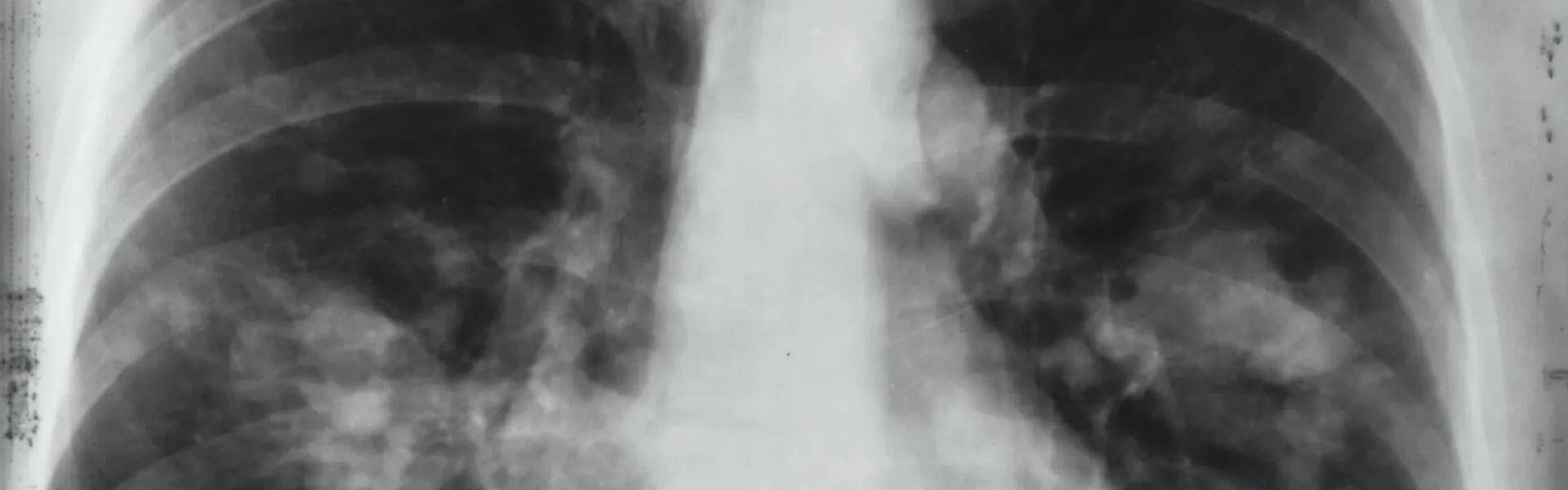
Key Points in This Blog
- Inhaling asbestos fibres can cause lung cancer.
- Asbestos fibres can remain lodged in the lungs.
- Symptoms may not appear for decades.
- Smoking and asbestos exposure greatly increase lung cancer risk.
- Past workplace exposure is a major cause of asbestos-related disease.
What Causes Asbestos-Related Lung Cancer?
Breathing in airborne asbestos fibres can increase the risk of developing lung cancer. Fibres that remain in the lungs can contribute to inflammation and cellular damage over time. Disease may develop many years after exposure, but not everyone exposed to asbestos develops cancer.
Asbestos-containing materials are most concerning when damaged or disturbed in ways that release fibres. Our guide to identifying asbestos explains why appearance alone cannot confirm whether a material contains asbestos.
How Asbestos Exposure Causes Lung Cancer
When asbestos fibers are inhaled, they bypass the body’s natural defenses, such as mucus and protective hairs in the respiratory tract. The fibers settle in the alveoli, tiny air sacs in the lungs, where they cannot be broken down by the human body. Over decades, this exposure causes scarring and cellular damage, increasing the likelihood of cancerous growths.
Who Is Most at Risk?
Certain groups are at higher risk of developing asbestos-related lung cancer, including:
Smokers with asbestos exposure: Smoking combined with asbestos exposure significantly increases the risk of lung cancer.
Workers in asbestos-heavy industries: Miners, construction workers, shipbuilders, and factory workers.
Residents near asbestos mines or factories: People living in proximity to these areas faced environmental exposure.
Family members of workers: Asbestos dust carried home on clothes could expose family members.

Common Types of Asbestos-Related Lung Cancer
- Non-Small Cell Lung Cancer (NSCLC): The most common type linked to asbestos.
- Small Cell Lung Cancer (SCLC): A more aggressive form of lung cancer.
- Adenocarcinoma: Another form that can result from asbestos exposure.
Diagnosing Asbestos-Related Lung Cancer
Symptoms to Watch For
- Persistent coughing or wheezing.
- Shortness of breath.
- Chest pain or discomfort.
Diagnostic Process
- Initial Consultation: A GP will review symptoms and working history to assess potential asbestos exposure.
- Specialist Testing: Referral to a specialist may include:
- X-rays or CT scans to detect abnormalities.
- Lung function tests to measure capacity and performance.
Challenges in Diagnosis
According to the NHS, lung cancer symptoms often appear after the cancer has spread, making early detection difficult. This late diagnosis impacts treatment outcomes.
Treatment Options for Asbestos-Related Lung Cancer
Lung cancer is not always incurable. Some patients can receive treatment with the aim of curing the cancer, particularly when it is diagnosed early.
Treatment depends on the cancer type, stage, test results and the person’s general health. Options may include surgery, chemotherapy, radiotherapy, targeted medicines and immunotherapy.
Where a cure is not possible, treatment may help control the cancer, relieve symptoms and extend life. The specialist team will explain the available options, benefits and possible side effects.
Read the NHS guidance on lung cancer treatment.
The Long-Term Impact of Asbestos Exposure
Asbestos-related diseases can develop decades after exposure. Having been exposed does not mean that someone will definitely develop cancer.
An individual’s outlook after a lung cancer diagnosis depends on their circumstances. General survival statistics cannot predict what will happen to a particular person. Their specialist team is best placed to discuss prognosis.
Medical Advice and Lung Cancer Screening
If you have persistent respiratory symptoms or are worried about past asbestos exposure, speak to your GP. Explain your work history and any known exposure incidents.
Past asbestos exposure does not automatically mean that everyone needs regular scans. HSE does not recommend routine chest X-rays following accidental exposure, and an X-ray cannot show whether asbestos fibres have been inhaled.
NHS lung cancer screening has specific eligibility criteria. In England, people aged 55–74 who currently smoke or have previously smoked may be invited for a lung health check. Read the NHS screening guidance or ask your GP about eligibility.
Do not wait for a screening invitation if you have symptoms.
Preventing Further Exposure
Before work that could disturb suspect building materials, arrange an appropriate assessment. Our guide to choosing an asbestos survey explains which survey may suit your plans.
Where asbestos remains in a building, our asbestos management guide explains the importance of monitoring and preventing disturbance.
These services address building materials. They cannot diagnose illness or establish someone’s past exposure. Health concerns should be discussed with a medical professional.
For professional asbestos surveys and expert advice on managing asbestos exposure, visit Complete Asbestos Surveys today.
Frequently Asked Questions
What Causes Asbestos-Related Lung Cancer?
Inhaling asbestos fibres can increase lung cancer risk. The risk is influenced by the extent of exposure, and disease may develop decades later. Smoking and asbestos exposure together increase the risk further.
Symptoms alone cannot establish that asbestos caused a person’s illness.
Who is most at risk?
People with significant occupational exposure, including those who previously worked with asbestos in construction, shipbuilding and manufacturing, have an increased risk. Exposure can also occur outside the workplace, including from asbestos dust carried home on work clothing.
Tell your GP about relevant work and exposure history if you are concerned.
How is it diagnosed and treated?
Doctors assess symptoms and medical history and may arrange scans and tests of tissue or fluid samples. Lung function tests assess how well the lungs work; they do not, by themselves, diagnose cancer.
Treatment depends on the cancer type, stage and the person’s health. It may aim to cure the cancer or to control it and relieve symptoms.
Read the NHS guidance on lung cancer investigations and treatment options.