Key Points in This Blog
- Duty holders must manage asbestos in their buildings.
- Pre-2000 buildings may contain asbestos.
- A management survey creates an asbestos register.
- Asbestos should be regularly checked for damage.
- Contractors must know where asbestos is before starting work.
Managing Your Asbestos: A Step-by-Step Guide
Managing asbestos in buildings is a critical responsibility for ensuring workplace safety and complying with the law. Follow this step-by-step guide, based on recommendations from the HSE, to manage asbestos effectively and protect everyone in your building.
Step 1: Determine Responsibility
If you’re the duty holder for a commercial, industrial, or housing association property, you must manage asbestos risks. Even common areas like lift shafts, boiler rooms, or staircases are included.
If you’re not responsible for maintenance, ask the person who is to provide the asbestos register. If you are responsible, proceed to the next steps.
Step 2: Check the Building’s Age
-
Buildings constructed before 2000 may contain asbestos. Buildings constructed entirely from 2000 onwards are unlikely to contain it, but check the building’s history and available records.
Refurbishment after 2000 does not mean that older asbestos-containing materials were removed. They may remain above suspended ceilings, behind newer finishes or within parts of the building that were retained.
Check the original construction date, later extensions, previous surveys and documented removal work. Where information is incomplete, presume suspect materials contain asbestos unless there is strong evidence otherwise.
Our guide to identifying asbestos explains why appearance alone cannot confirm whether a material contains asbestos.
Step 3: Gather Existing Information
Do you have records of asbestos in the building? Useful sources include:
- Previous asbestos removal records.
- Conversations with previous tenants or maintenance staff.
- Information from equipment suppliers about asbestos in older products.
This information isn’t mandatory but helps with the assessment.
Step 4: Conduct an Inspection
Inspecting the building is crucial for identifying asbestos. This is called a management survey, aimed at creating an asbestos register.
What’s Involved?
- Walk through the building, mapping areas where asbestos might be present.
- Compile a list of potential asbestos-containing materials (ACMs).
- Use this data to create an asbestos register.
Need help? Complete Asbestos Surveys can conduct inspections and produce detailed registers for your building.
Step 5: Prioritize Actions
For each item listed in your asbestos register, assign a material score and a priority score. These scores will help you decide which areas to address first.
Step 6: Identify Types of Asbestos
Different types of asbestos (e.g., chrysotile, amosite) should be identified and scored in the register. Our management survey reports provide all this information in detail.
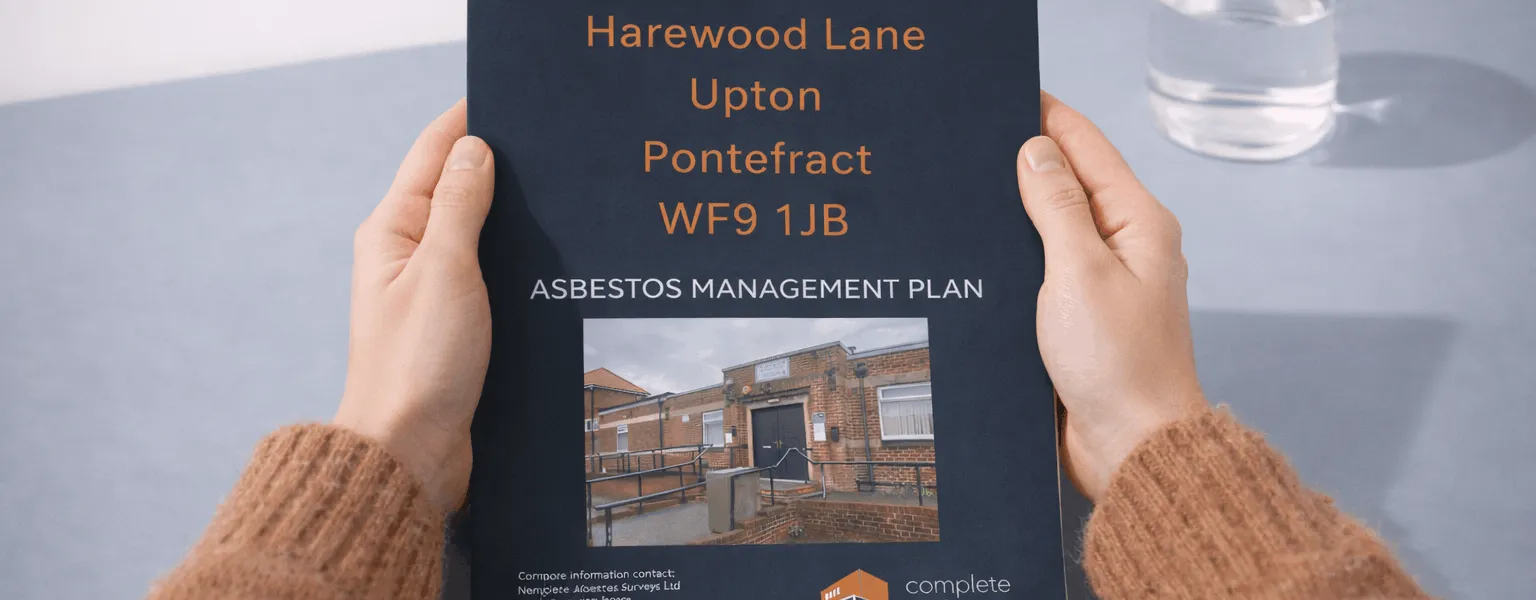
Step 7: Create an Asbestos Management Plan
Your asbestos management plan should be specific to your building and explain how risks will be controlled. Include:
- The person responsible for implementing the plan, plus a deputy.
- The asbestos register and location drawings, including presumed asbestos and areas not inspected.
- A schedule of condition checks based on the material’s condition, accessibility and likelihood of disturbance.
- Required actions, completion dates and who is responsible for each action.
- Arrangements for giving asbestos information to employees and contractors before work begins.
- Procedures for accidental disturbance or newly discovered suspect materials.
- Responsibility for updating the register and reviewing the plan.
Do not assume that one inspection every year is enough for every material. More vulnerable materials or changing conditions may require more frequent checks.
Our asbestos management plan service can help turn survey findings into practical arrangements for your premises.
Step 8: Test Before Any Work
Before any renovations or maintenance, asbestos testing is essential. Hire professionals to test any suspect materials. Complete Asbestos Surveys offers both management and refurbishment/demolition surveys.
Step 9: Share Findings
Your asbestos management plan and register should be shared with:
- Employees, especially those working near asbestos.
- Contractors and tradespeople like builders or electricians.
- Anyone responsible for maintaining asbestos safety.
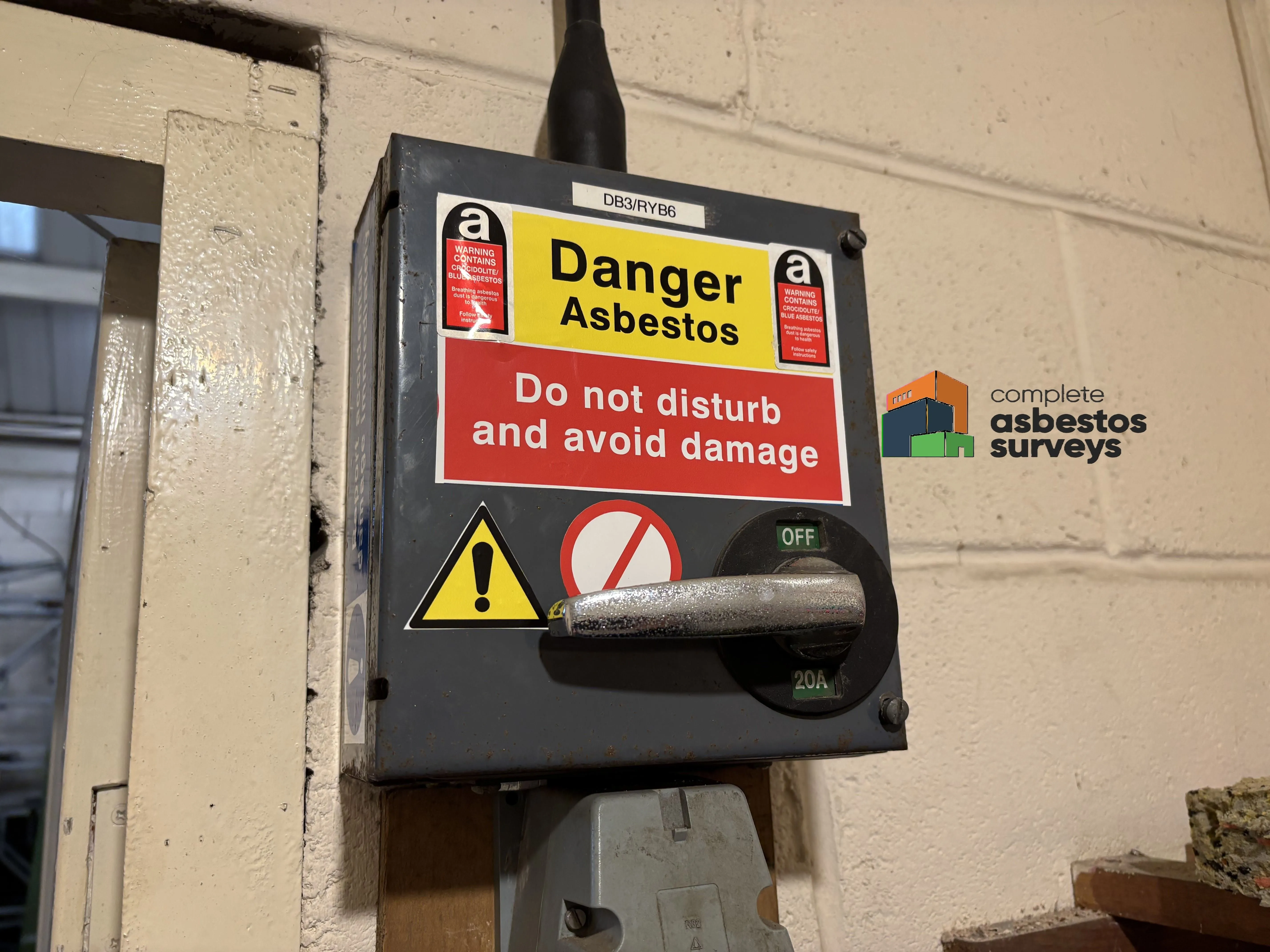
Label areas containing asbestos clearly to warn others.
Step 10: Perform Remedial Works
All asbestos work must be carried out by trained professionals. Our team at Complete Asbestos Surveys can handle asbestos works or connect you with licensed removal companies.
Step 11: Keep Records Updated
The dutyholder must ensure the asbestos register remains current. Name the person responsible for recording changes, checking supporting documents and making the latest information available to anyone who needs it.
Record the date, findings and required actions from each condition check. Update the register promptly after removal, repair, encapsulation, damage or discovery of additional suspect materials. Retain supporting reports and photographs, and record any remaining access limitations.
Review the management plan at least every 12 months, and sooner if materials deteriorate, work affects asbestos, the building’s use changes or management responsibilities change. An annual plan review does not replace condition checks at the intervals set by the risk assessment.
Our Bradford asbestos re-inspection case study shows how previously identified materials were checked and the register and management plan updated.
Using a specialist to carry out inspections does not remove the dutyholder’s responsibility to ensure actions are completed and records are maintained.
Frequently Asked Questions
What are the legal obligations regarding asbestos management?
Regulation 4 of the Control of Asbestos Regulations 2012 requires duty holders to manage asbestos risks, conduct surveys, maintain a register, and implement a management plan.
How can I identify asbestos in my building?
Buildings constructed before 2000 may contain asbestos. A management survey will locate potential ACMs and create an asbestos register.
How can I ensure safety for employees and contractors?
Create an asbestos management plan, train employees, share survey findings, label ACMs, and schedule regular monitoring and inspections.