Key Points in This Blog
- “Suspected asbestos” does not mean asbestos is confirmed.
- Artex, garage roofs and floor tiles are often flagged.
- Testing can come back negative.
- Some asbestos can stay safely in place.
- Survey findings may help you negotiate the purchase price.
Homebuyer Survey Says There May Be Asbestos
You have found the house you want.
The mortgage is moving forward. Your solicitor is working through the paperwork. Then your RICS Home Survey arrives and mentions “suspected asbestos” or “possible asbestos-containing materials”
For many homebuyers, that one word changes everything. We regularly speak to buyers across Yorkshire who immediately worry about moving their family into a house containing asbestos or think the finding will hold up their purchase.
After more than 20 years working in the asbestos industry, my advice is not to make a decision based on the word “suspected”. Get the material checked first.
We fairly often test materials highlighted by home surveyors that turn out not to contain asbestos at all. And when asbestos is found, it does not always mean it needs removing.
Why Has My Homebuyer Survey Mentioned Asbestos?
A RICS Home Survey looks at the general condition of the property.
Your surveyor may recognise materials that were commonly made with asbestos and recommend further investigation.
Common examples include:
- Artex and textured coatings
- Corrugated garage roofs
- Vinyl floor tiles
- Soffits
- Old flue pipes
- Pipe insulation
Your RICS surveyor is not carrying out an asbestos survey.
If something looks suspicious, their job is to flag it rather than guarantee whether asbestos is present.
That is where professional asbestos testing or a homebuyer asbestos survey comes in.
Does “Possible Asbestos” Mean the House Has Asbestos?
No .You cannot reliably identify asbestos by sight alone. We see this regularly with textured coatings. Two Artex ceilings might look almost identical. One tests positive for chrysotile asbestos. The other contains no asbestos. The same applies to cement roofing and old floor coverings. This is why we tell buyers to get an answer rather than make assumptions.
Our samples are analysed by a UKAS-accredited laboratory, with results normally returned within 24–48 hours.
Is Asbestos Common in Older Houses?
If you are buying a property built or refurbished before 2000, asbestos is something you should consider.
HSE guidance says asbestos may be found in domestic buildings dating from before 2000.
You may find it in places such as:
Artex and Textured Coatings
One of the materials we see flagged most often.
It may be present on bedroom, hallway, lounge and kitchen ceilings.
Finding textured coating does not prove asbestos is present.
Testing is needed.
Garage Roofs
Older corrugated asbestos cement roofs are still found on garages and sheds across Yorkshire.
If the roof is in good condition and you intend to keep the garage, the recommendation may be very different from a roof on a garage you plan to demolish.
Vinyl Floor Tiles and Bitumen
Old floor tiles can contain asbestos.
The black bitumen adhesive underneath may contain asbestos too.
This becomes more relevant if you plan to replace a kitchen, lift flooring or carry out a full renovation.
You can see more examples on our guide to where asbestos is found.
Should I Walk Away From a House With Asbestos?
Not automatically. I would look at four things.
What type of asbestos is it?
Asbestos cement roofing is very different from damaged pipe lagging or unsealed asbestos insulating board.
What condition is it in?
An intact material that will remain untouched can sometimes stay in place. Damaged or deteriorating asbestos needs closer attention.
Where is it?
Floor tiles underneath an existing floor may cause little immediate concern. AIB exactly where you want to knock a wall through is a different matter.
What are you planning to do?
This is often the biggest factor.
Are you moving straight in?
Or are you planning:
- A full rewire
- New kitchen
- New bathroom
- Extension
- Loft conversion
- New heating system
- Wall removal
- Flooring replacement
then I would normally recommend an asbestos refurbishment survey covering the areas your work will disturb.
HSE guidance also states that where work will break into the fabric of a building, a more intrusive refurbishment survey may be required.
How Much Could Asbestos Removal Cost?
One of the biggest worries for homebuyers is asbestos removal cost.
These figures are indicative price ranges, not fixed quotations. The final cost depends on the material, quantity, condition, access and scope of work. Your written quotation will confirm what is included, any exclusions and whether VAT applies.
Based on the types of projects we deal with, approximate costs can include:
- Garage asbestos removal: £450–£1,200
- Artex removal: £350–£1,200 per room
- Floor tile removal: £250–£1,200 per room
- AIB removal: £1,500–£6,000 per room
These are only guides.
A small garage with straightforward access will cost less than a large structure with difficult access. A small area of Artex will cost less than several complete rooms.
This is why having the asbestos properly identified and then obtaining a price is much more useful than guessing.
Leeds Homebuyer Used Asbestos Costs to Negotiate
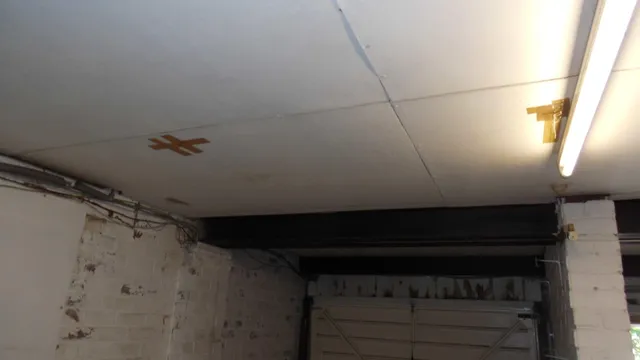
We carried out an asbestos survey for a homebuyer in Leeds. The property had an asbestos-containing garage ceiling. Once asbestos had been confirmed, the buyer wanted to understand what dealing with it would cost.
We obtained three asbestos removal prices for them.
They then used the removal cost during negotiations with the seller and had the value of the asbestos removal taken off the purchase price.
They still bought the house.
The asbestos survey did not stop the sale.
It gave the buyer information they could use before committing to the property.
We have seen this happen many times.
If asbestos is found, we can provide recommendations and costs for:
- Removal
- Encapsulation
- Managing the material in place
You can then decide whether the cost affects what you are prepared to pay for the house.
Will an Asbestos Survey Delay My House Purchase?
This is another common concern. It does not necessarily need to.
Homebuyers regularly email us the section of their RICS report mentioning asbestos. Sometimes they also send photographs. This helps us understand which materials have been highlighted and what sort of inspection may be needed.
The photos cannot confirm asbestos, but they can help us scope the job. Our asbestos sample results are normally returned within 48 hours. That means you can often get answers while the rest of your conveyancing is still progressing.
What If I Am Buying the House to Renovate?
This is where I would be more cautious about simply testing the one material mentioned in your homebuyer report.
Imagine the report highlights an Artex ceiling.
You test it.
But you also plan to:
- Rip out the kitchen
- Rewire the house
- Lift flooring
- Remove walls
- Replace ceilings
There may be asbestos elsewhere that the RICS survey was never designed to identify.A refurbishment survey is more intrusive and should cover the areas affected by your planned building work.
The aim is to find asbestos before builders, electricians, plumbers or other trades disturb it.
Real Homebuyer Asbestos Survey Examples in Yorkshire
We regularly see homebuyer surveys raise several possible asbestos concerns, but the final results can be very different.
At 14 Far Field in Huddersfield, we carried out an asbestos management survey for a prospective homebuyer. The survey identified asbestos insulating board (AIB) to the garage ceiling and an asbestos cement flue pipe in the loft.
The buyer’s proposed building work would affect these materials, so they obtained removal quotations to help plan the work and negotiate costs with the seller. This shows why the material, its location and your renovation plans all matter when assessing asbestos before purchasing a property.
The survey identified asbestos insulating board (AIB) to the garage ceiling and an asbestos cement flue pipe in the loft.
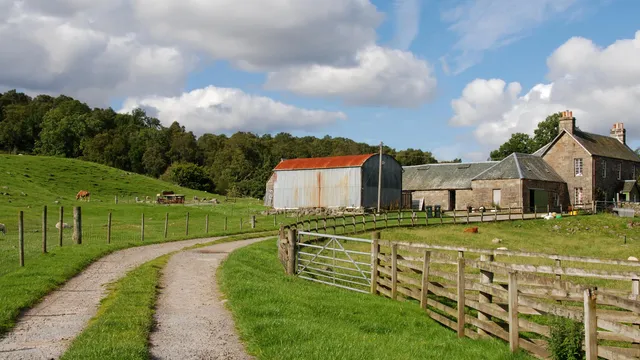
On another homebuyer survey at a Victorian farmhouse near Huddersfield, the RICS report had raised asbestos concerns because of the property’s age.
We took 10 samples. Seven tested negative and three tested positive, including paper-backed lino, an AGA rope seal and asbestos cement sheeting in the garden.
These two surveys show why “possible asbestos” should not be treated as a confirmed problem.
Proper testing gives you a clear picture of what is actually present before you decide whether to buy, renegotiate or plan future work.
What Should I Do Next?
If your homebuyer survey mentions asbestos:
- Read exactly what the surveyor has highlighted.
- Send us the relevant section of the report.
- Tell us what work you intend to carry out after buying.
- Arrange asbestos testing or the correct asbestos survey.
- Wait for the laboratory results.
- Review the recommendations.
- Get removal or encapsulation prices if required.
- Use those figures when deciding whether to proceed or negotiate.
Do not assume the property has asbestos because a surveyor has flagged it. But do not ignore it either.
Get an answer.
If your homebuyer report has mentioned possible asbestos, Complete Asbestos Surveys provides homebuyer asbestos surveys and testing across Yorkshire.
Use our instant quote form and send us the details from your property report to get a free quote.
Frequently Asked Questions
Is it normal for a homebuyer survey to mention asbestos?
Yes. RICS surveyors may highlight materials that could contain asbestos, particularly in older properties. This does not confirm asbestos is present. Further investigation or laboratory testing is needed.
Does suspected asbestos mean the house definitely contains asbestos?
No. We fairly often test materials highlighted as possible asbestos that come back negative. You cannot confirm asbestos by appearance alone.
Should I pull out of buying a house if asbestos is found?
Not automatically. Consider the asbestos material, its condition, location and your plans for the property. Some asbestos can remain managed in place, while other materials may need encapsulation or removal.
What asbestos is commonly found during homebuyer surveys?
From our experience, Artex and textured coatings, asbestos cement garage roofs and old floor tiles are among the most common materials raised during home purchases.
Do I need an asbestos survey before renovating my new house?
If your planned work could disturb potential asbestos-containing materials, the areas affected should be properly assessed before work starts. For significant intrusive renovation, an asbestos refurbishment survey may be more suitable than simply testing one material.
Can a RICS Home Survey confirm asbestos?
No. A RICS Home Survey is not an asbestos survey. A RICS surveyor may identify a material as potentially containing asbestos and recommend specialist investigation. Laboratory analysis can then confirm whether asbestos is present.
How quickly can asbestos test results come back?
Our standard asbestos sample results are normally available within 48 hours. Faster turnaround may be possible where a property purchase or urgent work requires it.
Can asbestos findings help me negotiate the house price?
They can give you useful information for negotiations. If asbestos is confirmed, obtaining costs for removal or encapsulation allows you to understand the likely expense and discuss this with the seller.
What if the asbestos is in good condition?
Removal isn't always necessary. Depending on the material, condition, location and your future plans, management or encapsulation may be suitable.
Can I send you my homebuyer survey before booking?
Yes. Relevant pages, comments and photographs can help us understand what your RICS surveyor has highlighted. We can then advise on the asbestos inspection or testing that may be appropriate.